
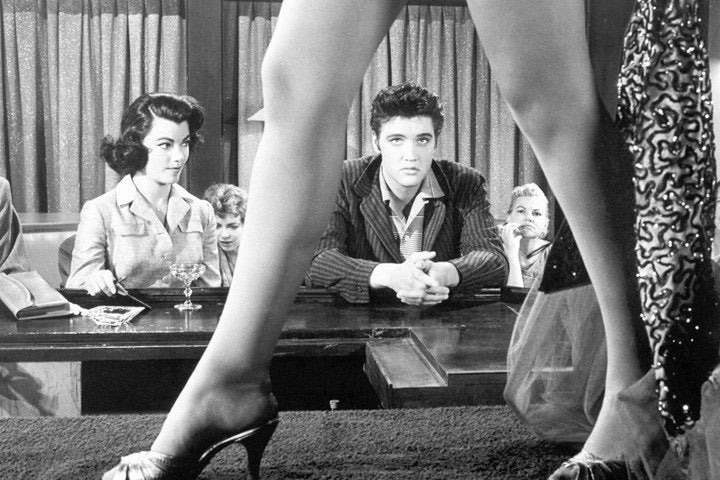
We’ve all heard of the male gaze; in movies, speeches, online and offline. The “male gaze” invokes the sexual politics of the gaze and suggests a sexualised way of looking that empowers men and objectifies women. In the male gaze, the women are visually positioned as an “object” of heterosexual male desire. Her feelings, thoughts and her own sexual drives are less important than her being “framed” by male desire. Everyone has an opinion on the male gaze, what it is and who it affects; no matter who you ask they’ll all have a different example for you.
But we can’t discuss the male gaze without discussing Laura Mulvey. Mulvey coined the term ‘male gaze’ when writing her now famous essay – Visual Pleasure and Narrative Cinema (1975). Since then, the male gaze has expanded beyond the realm of academia. Throughout her essay, Mulvey reflects on the act of ‘looking’ in cinema, pointing out how through camera angles, design, and beauty standards women are objectified for male appeal. To begin with, she describes the viewers as victims of ‘scopophilia’, meaning a sort of sexual pleasure deprived from looking at others; this visual pleasure is woven into the framework of Hollywood cinema. This often results in women loosing their agency and being forced into roles embodying ‘the pretty one’, ‘the sexy one’ and almost always the one supporting the male lead. Despite this theory originating from film, it can be seen today through advertising, social media, and even news outlets.
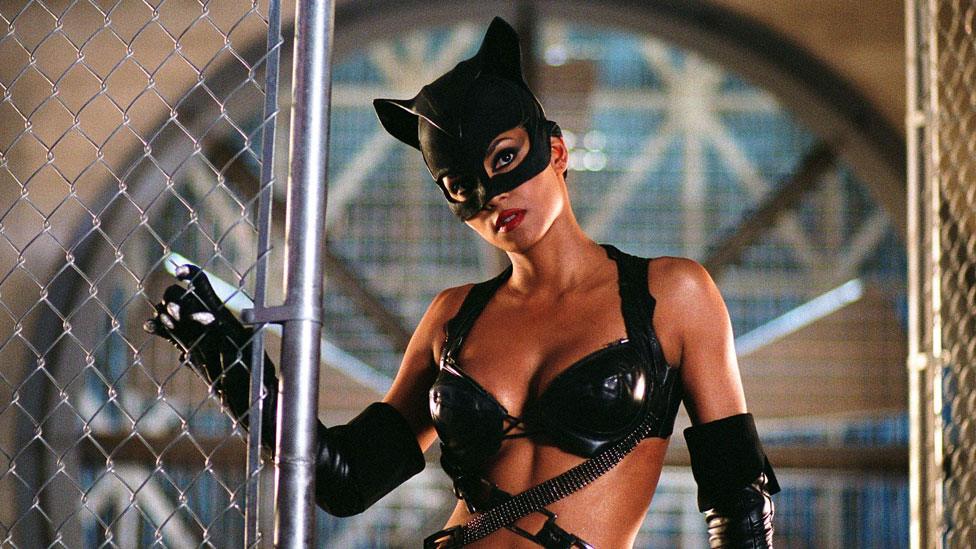
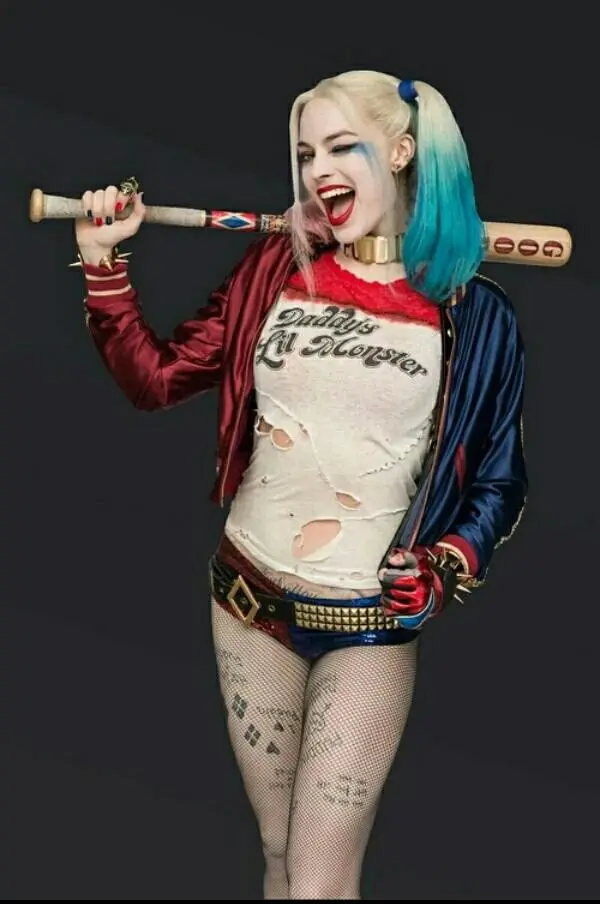
Action films are a common example of how the male gaze is portrayed throughout films. Company’s such as Marvel and DC have fallen for this multiple times, creating the female superhero’s in a sexual way, whether it’s how they dress, or how they follow the male superhero’s lead. Some common examples include, Zoe Kravitz as Catwoman, Margot Robbie as Harley Quinn and Natasha Romanoff as Black Widow. All of these character roles are titled as superhero’s, yet are still designed to look ‘sexy’ and ‘appealing’, wearing tight, skimpy clothing and having the camera focus on their body more than their acting. This visual component adheres to men’s wants and sends a message to the audience that a woman’s value is down to how they look and how much she appeals to a male. The same can also be said about female video game characters, who often tend to be wearing extremely revealing clothes while fighting the ‘boss’, for example, Lara Croft from Tomb Raider and the female character on the GTA 5 loading screen.

However, the roles can reverse when the woman is in charge of the creative helm. Katniss Everdeen is a good example of abolishing the male gaze. Instead of focusing on angles and her looks, the Hunger Games films focus on her strength, choices and intelligence. Throughout the trilogy, she is a hero, shaping peoples opinions and inspiring the masses to turn against the men in power with her actions and words; as a result of this, her looks are often used to intimidate and threaten her opponents rather than seduce them. This difference proves that the roles can be reversed, the movie industry just remains too scared to take that chance and change.
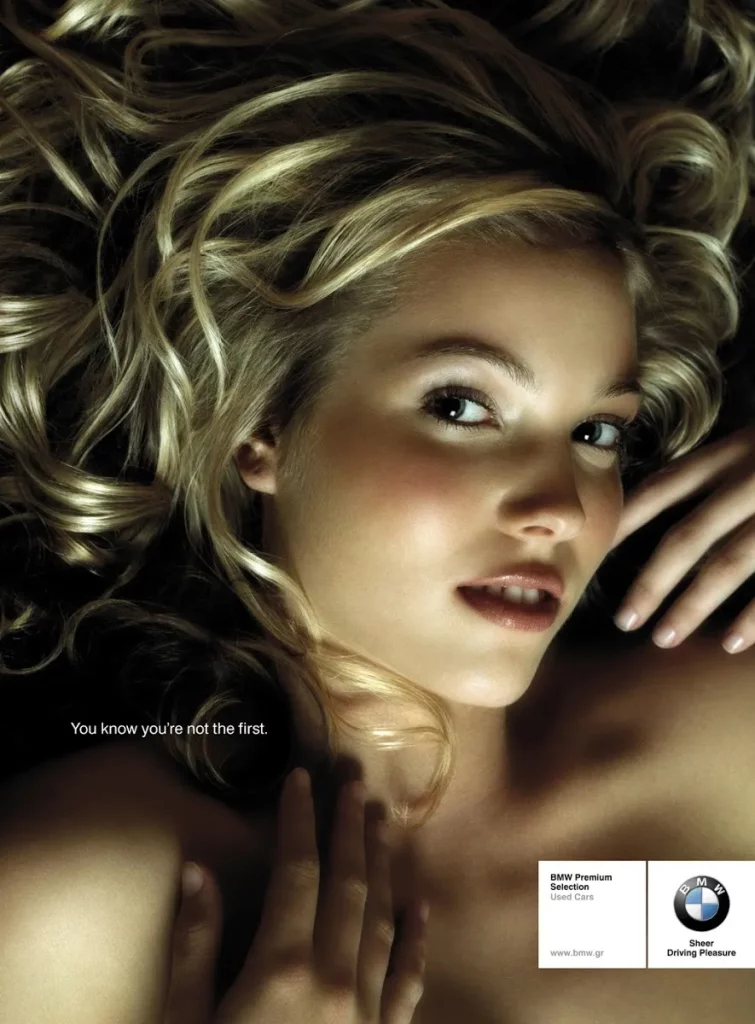
The concept of the male gaze becomes eschewed in today’s digital world because it is not left down to producers and directors anymore, algorithms and individuals play a significant role. Many social media algorithms, such as Instagram, push the posts that get the most views/likes which largely tend to fit male-centred standards. The same can be said about advertising. Perfume and car ads tend to use women that will play a ‘sexy’ role to sell their product, because as we’ve all heard, sex sells. Gucci is a big victim of this, along with many others like YSL, Lancôme, BMW etc. The women chosen for the adverts are often positioned with a man, placed under him to appear as appealing and desirable.


People will also try and argue against what Laura Mulvey wrote, by bringing up the concept of ‘the female gaze’. However, this is a concept made up that cannot stand true against the male gaze, as the male gaze is deep-rooted in society and dates years back. So while the male gaze stems from decades of systematic oppression and patriarchy, this does not reign true for men, meaning therefore the female gaze cannot exist in the same way as the male gaze.
We’ve all seen it, thought about it and moved on from it, but a key point surrounding the ‘male gaze’ is that it is still as relevant today as it was all those years ago, just more hidden and less called out. Whether thats because we’ve become desensitised as viewers, or don’t think it’s a ‘big deal’, it surrounds us, and that needs to remain acknowledged.
References:
Mulvey, Laura. “Visual Pleasure and Narrative Cinema”. (1975).
Dr. Aoiffe Walsh, PhD, Media Arts, Royal Holloway. Published 2023. https://www.perlego.com/knowledge/study-guides/what-is-laura-mulveys-male-gaze-theory.
Safiya Umoja Noble, Algorithms of Oppression. (2018).


I felt that throughout the blog, you had a solid argument, and I want to highlight the line, male gaze invokes the sexual politics of the gaze and positions women as an object of heterosexual male desire. These stood out to me and prompted me to take a step back and re-examine Mulvey’s theory from a different perspective. I also liked how you showed a contrast with Katniss Everdeen and how the films focus on her strength, choices and intelligence.
Hi, this was a great read! Even the title caught my eye, as it highlights exactly what you’ll be discussing in this blog and the bias in the standards between men and women on this topic. I really liked how you chose to analyse Mulvey’s theory from a different stance, it gave me a different perspective that I hadn’t thought about before. I think Gucci’s use of this strategy to push advertising and sales was a great example, too! The only improvement I would make is a stronger conclusion. It would’ve been great for you to wrap up your thoughts more!
This was an interesting read which made some very clear points. I appreciate your use of examples via Marvel and Dc and how they market movies and design characters, not with the male gaze necessarily in mind, but it’s still interesting to see how it effects their writing and design. It shows how the male gaze is deep rooted in our society and will never disappear, just evolve.