
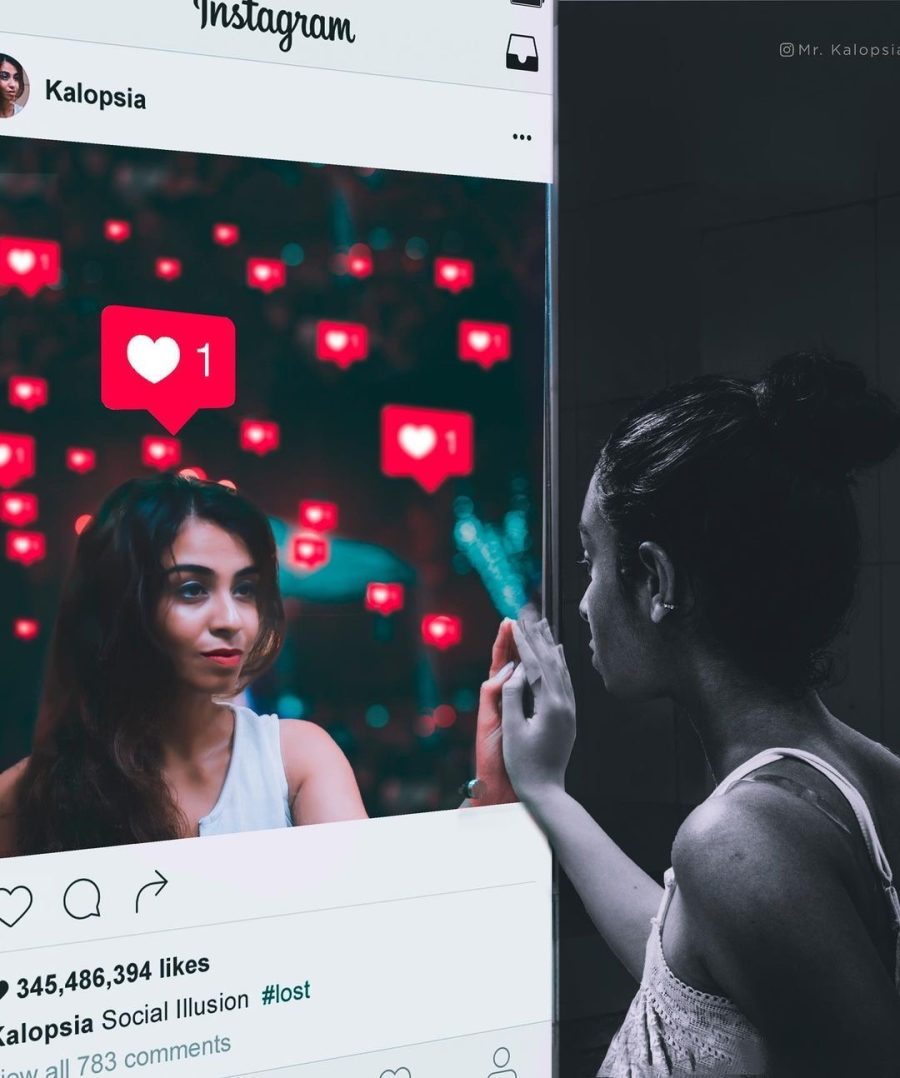
The creation of identity has grown closely associated with the digital environments we live in, in today’s hyperconnected society. People can create identities through social media platforms, online forums, and virtual settings but these spaces also impose limitations that are created by systemic pressures, societal norms, and algorithms. This blog examines how media practices, self-representation, and social norms shape identity in the digital era, drawing on theoretical frameworks covered in lectures.
Digital Media as a space for identity formation
People may arrange and showcase their identities in the digital world. Users utilise social media sites like Instagram, TikTok, and Twitter as virtual canvases to showcase idealised images of themselves that are consistent with their goals and ideals. However, structural factors restrict this freedom. While platform designs promote loyalty to popular trends, algorithms frequently give preference to particular kinds of content. For instance, Instagram influencers create limited standards of beauty and lifestyle that many users are obliged to follow by collecting polished, visually pleasant content to fit the platform’s visual culture (Marwick, 2015). The conflict between self-expression and outside influences is highlighted by this uniformity, which runs opposite to the idea of individuality.
Performing our digital selves
The “presentation of self in everyday life” theory put forth by Erving Goffman in 1959 sheds light on how identities are constructed in digital environments. Performative identities, in which people deliberately control how they present themselves to affect how others see them, are encouraged by social media. This kind of thing is demonstrated by practices such as selective sharing, which involves uploading carefully chosen content to project particular images.
Cancel culture is a prime example of how internet platforms can influence one’s identity. Public personalities frequently receive criticism for their online behaviour, which forces them to change who they are in order to conform to social norms (Papacharissi, 2012). This interaction illustrates how people navigate a complicated web of social norms and attention from others in digital settings, which magnify the performative aspect of identity.
One person, many selves
People can easily flip between personas thanks to internet channels. Their identities seem flexible and is subject to change. For instance, a person may be a professional on LinkedIn, a fitness fan on Instagram, and a Twitch gamer. The identities change throughout time. The identities can change depending on the situation. This calls into question the concept that identity is unchangeable (Turkle, 1995).
I have witnessed individuals explore numerous aspects of themselves in the world. I have witnessed people feel comfortable disclosing personal details in person. I’ve witnessed how people may explore, recreate, and express aspects of themselves in the environment using avatars, virtual reality, and other virtual worlds (Boellstorff, 2008). Performances are not necessarily fake or dishonest but can be. We all implicitly know how to perform and act according to the situation. The question is are we doing everything for the ‘other’ ?
Media’s role in reinforcing and challenging norms
Digital media lets people show sides of who they’re but digital media also keeps old ideas and social rules alive. For example social media advertisements that match ideas of masculinity and femininity often push gender stereotypes. Grassroots movements such, as #MeToo and #BlackLivesMatter show how activists use platforms to push against the norms and raise the voices of underrepresented groups (Jackson et al., 2020; Banet‑Weiser, 2018).
Conclusion
I have seen identity building change, over time. The system and personal things shape identity building. I have watched today’s media let people show who they are. Today’s media also set limits that keep rules and what people accept. I have noticed that looking closely at platforms and thinking about ideas, from scholars helps us learn more about the complicated parts of identity creation today.
References
Banet-Weiser, S., 2018. Empowered: Popular Feminism and Popular Misogyny. Durham: Duke University Press.
Boellstorff, T., 2008. Coming of Age in Second Life: An Anthropologist Explores the Virtually Human. Princeton: Princeton University Press.
Goffman, E., 1959. The Presentation of Self in Everyday Life. New York: Anchor Books.
Jackson, S.J., Bailey, M. and Welles, B.F., 2020. #HashtagActivism: Networks of Race and Gender Justice. Cambridge: MIT Press.
Marwick, A.E., 2015. Instafame: Luxury Selfies in the Attention Economy. Public Culture, 27(1), pp.137–160.
Papacharissi, Z., 2012. A Networked Self: Identity, Community, and Culture on Social Network Sites. New York: Routledge.
Turkle, S., 1995. Life on the Screen: Identity in the Age of the Internet. New York: Simon & Schuster.


