
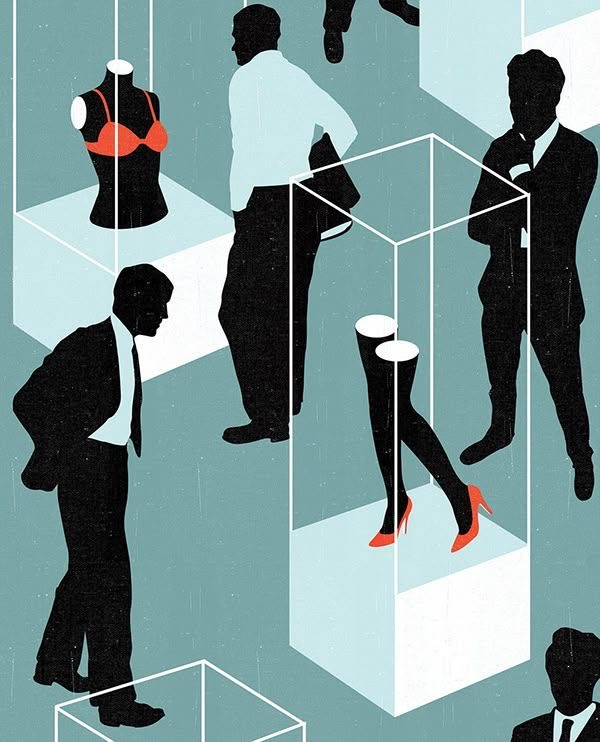
Have you ever seen a movie, browsed Instagram, or seen a music video where women are frequently portrayed as objects of desire? This is the “male gaze” idea, which was developed by cinema critic Laura Mulvey and is still essential to comprehending how gender is portrayed in contemporary communication and media. Let’s examine how it manifests itself in the media we regularly consume.
What is the Male Gaze
According to Mulvey (1975), women are portrayed as indifferent objects of male desire in traditional media, which is designed around a heterosexual male audience. There are three main ways that the masculine gaze functions:
• Women are framed by the camera to highlight their physical attributes.
• In the media, male characters view women as things.
• The audience is encouraged to see women through the male character’s or creators eyes.
It’s not just about men looking, it’s about how this way of looking shapes how we all perceive gender, reinforcing ideas that women’s value lies in their attractiveness to men.
The Male Gaze in Social Media
Some of the best illustrations of how the male gaze still affects modern media can be found on sites like Instagram and TikTok. For instance, beauty influencers frequently display themselves in ways that match to traditional standards of beauty, such as flawless cosmetics, smooth skin, well chosen clothing, and beautiful poses. The algorithm frequently favours postings that resemble male gaze ideals, such as sexualised positions, “ideal” body forms, or glamorous transformations, even though many women intentionally produce content for themselves or female audiences.
Viral trends on TikTok, such “get ready with me” (GRWM) videos and outfit of the day videos, frequently adhere to visual styles that are slightly influenced by the male gaze. The platform’s design endless scrolling, fast images, and emphasis on appearance can replicate the gaze by elevating women’s appearances over their personalities or accomplishments, even when producers claim to be dressing for themselves. Because of this, the bodies of female producers may become content, which may lead to unwelcome remarks, objectification, or body surveillance.
The Male Gaze in contemporary Film and Advertising
In popular films and advertisements, the male gaze is still popular. Slow pans over women’s bodies or sexually suggestive costumes are common in film series. For example, male characters in superhero movies are shown as strong or powerful rather than sexualised, whereas female characters are frequently dressed in skimpy, revealing attire.
The same reasoning is used in advertising, especially in fashion, fitness, beauty, and music videos. Sometimes, brands convey messages that associate women’s worth with their physical attractiveness or sex appeal. By emphasising the body over agency or personality, even initiatives aimed at empowering women may mistakenly reinforce male gaze standards.
Conclusion
In modern media, the male gaze remains a powerful force, although it is no longer unchallenged. We may become more critical of the content we see by learning how it works, and as creators, we can try to change the emphasis to more inclusive and respectful gender representations.
References
Mulvey, L., 1975. Visual pleasure and narrative cinema. Screen, 16(3), pp. 6–18.


