
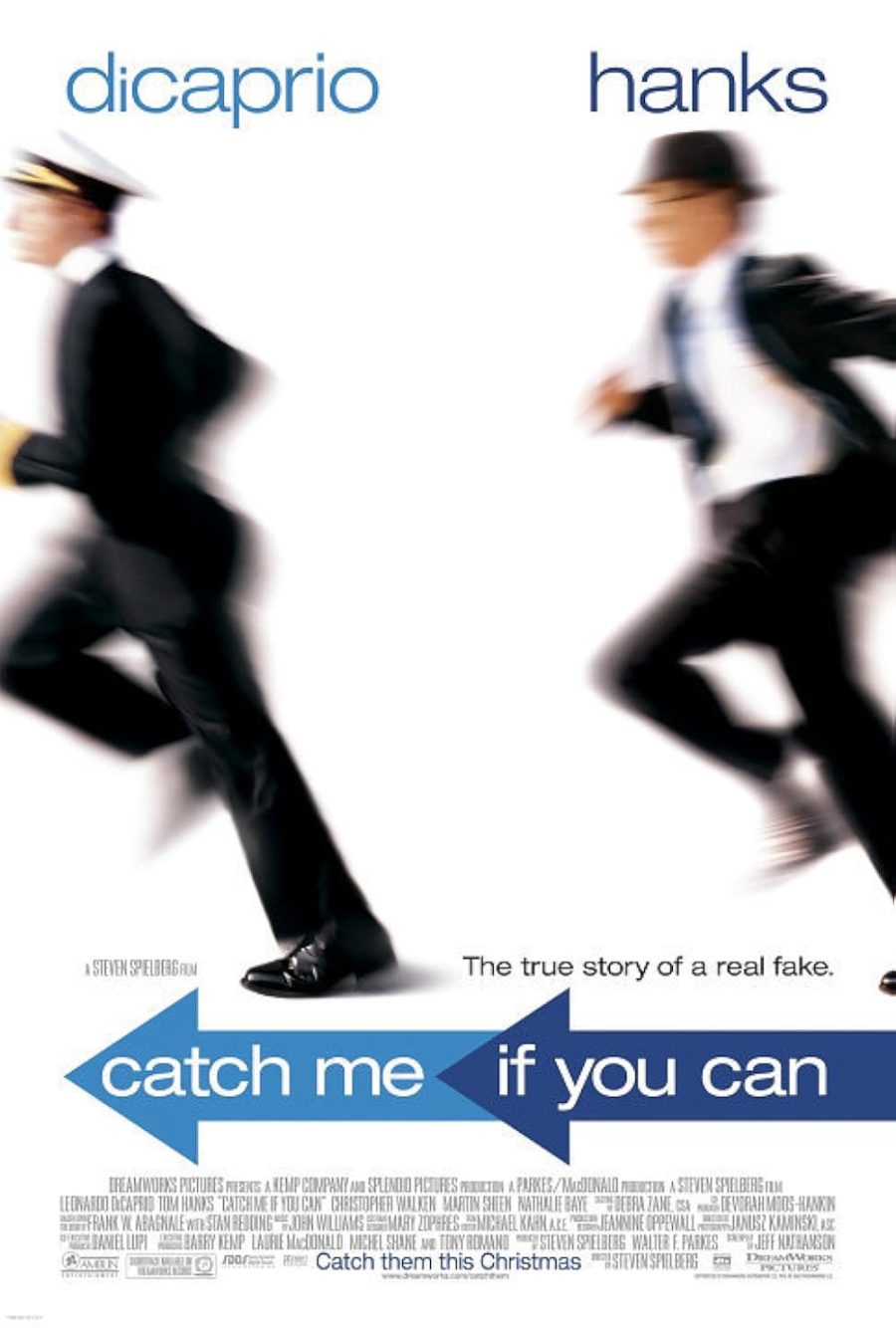


If you’ve watched Steven Spielberg’s Catch Me If You Can, you probably remember Leonardo DiCaprio’s charming portrayal of young con artist Frank Abagnale Jr. The cinematic Frank is brilliant, romantic, and strangely sympathetic—even as he commits a long list of intelligent crimes.
This is precisely where the Two-Step Flow Theory becomes a powerful analytical tool.
The real Frank Abagnale and the film version of Frank differ significantly, and understanding that difference helps reveal how media creators shape public perception.
In your framing:
- Filmmakers = Opinion Leaders
- Movie audiences = Secondary communicators / influence spreaders
This aligns perfectly with the theory.
Let’s break it down.
📘 What Is the Two-Step Flow Theory?
The Two-Step Flow Theory suggests that mass media doesn’t influence the public directly. Instead, information flows in two stages:
1️⃣ Media first influences “Opinion Leaders”
2️⃣ Opinion Leaders then influence the broader public
In this case:
- The filmmakers curate, filter, and reshape information about Frank Abagnale.
- The audience interprets and spreads those interpretations onward.
🎥 I. Filmmakers as Opinion Leaders: Reconstructing the Image of Frank Abagnale


A film is never a neutral recounting of facts. Spielberg and his team perform the first “filtering” step of communication: they select, dramatize, and restructure Frank’s life story for emotional and narrative impact.
🎨 1.1 The film romanticizes Frank’s persona
While the real Frank was intelligent, the film elevates him into a charismatic folk hero:
- A rebellious but lovable teenager
- A romantic figure constantly seeking warmth and belonging
- A misunderstood genius caught in emotional conflict
This emotional contouring is a deliberate editorial choice—one that sets the tone for audience identification.
✂️ 1.2 The film downplays the severity of his crimes
In reality, Frank’s crimes carried deeper consequences and were legally more serious.
The film, however, focuses on:
- The FBI’s “reluctant admiration”
- His eventual redemption arc as a consultant
- The relationship-driven motivations behind his actions
This reframing changes how audiences morally assess him.
⭐ 1.3 The filmmaker’s own values shape the story
Spielberg is known for narratives involving family trauma, longing, and personal growth. This thematic preference transforms Frank from a criminal into an emotionally complex protagonist.
Thus, the first step of communication—media to opinion leaders—is already value-laden and selective.
👀 II. Audiences as Active Interpreters and Secondary Communicators


In the second step of the Two-Step Flow, audiences receive the curated narrative and begin making their own interpretations.
Viewers are not passive—they actively:
- interpret Frank’s motives
- share their opinions
- discuss the film’s themes
- spread the constructed image through social media and conversation
💬 2.1 Audiences become emotional amplifiers
Common viewer reactions include:
“Frank was wrong, but he was brilliant!”
“His broken family explains everything.”
These interpretations form a second wave of cultural influence.
🔄 2.2 Viewers become “secondary opinion leaders”
Whenever someone:
- recommends the movie
- writes a review
- posts on social media
- debates the ethics of the story
they participate in the two-step flow by influencing others.
🔍 2.3 Public perception of the real Frank shifts
Because of the film, many people mistakenly believe:
- Frank’s crimes were relatively harmless
- His transformation was straightforward and heroic
- The FBI enthusiastically recruited him
These beliefs reflect Hollywood’s narrative more than historical reality.
🧠 III. Why Catch Me If You Can Exemplifies the Two-Step Flow Theory
This film is an excellent case study of the theory because:
① Clear opinion leaders (filmmakers)
They reinterpret and reshape the raw story.
② A strong narrative filter
Only certain aspects of Frank’s personality and crimes are highlighted.
③ High audience engagement
Viewers emotionally invest, interpret, and retell the story.
④ Cultural myth-making
Today, the film version of Frank is more widely recognized than the real person.
This perfectly encapsulates the model of:
Media → Opinion Leaders → Public
✍️ Conclusion: The Power of Cinema in Modern Mass Communication
Catch Me If You Can shows us that:
- Media doesn’t just report reality—it reconstructs it
- Opinion leaders shape meaning before the public receives it
- Audiences actively continue the cycle through discussion and reinterpretation
In a media-saturated world, every viewer can become part of the communication chain, spreading narratives far beyond their original context.
If you’d like, I can also:
✅ Convert this into a more academic research-style essay
✅ Rewrite it as a video script for YouTube/TikTok/Bilibili
✅ Add citations and theoretical references
✅ Produce a shorter, SEO-optimized blog version
Or
✅ Create a bilingual (CN–EN) parallel text edition
Just tell me which version you prefer!


