
Have you ever noticed that many films, songs and television programmes always follow the same patterns? From similar storylines in films to trendy songs on TikTok, a lot of times popular culture feels familiar, even when we are consuming something new. This connects directly to the concept of the Culture Industry.
The concept was established by Theodor Adorno and Max Horkheimer, members of the Frankfurt School. They discussed that culture had become a commercial product, created specially to generate profit rather than encourage independent thinking and creativity (Adorno and Horkheimer, 2002).
One example of the Culture Industry is the film industry. Lots of popular films tend to follow similar formulas, with predictable storylines and familiar characters. Even though these films can be entertaining, their similarities raise questions about their originality and whether commercial success has become more important than artistic expression.
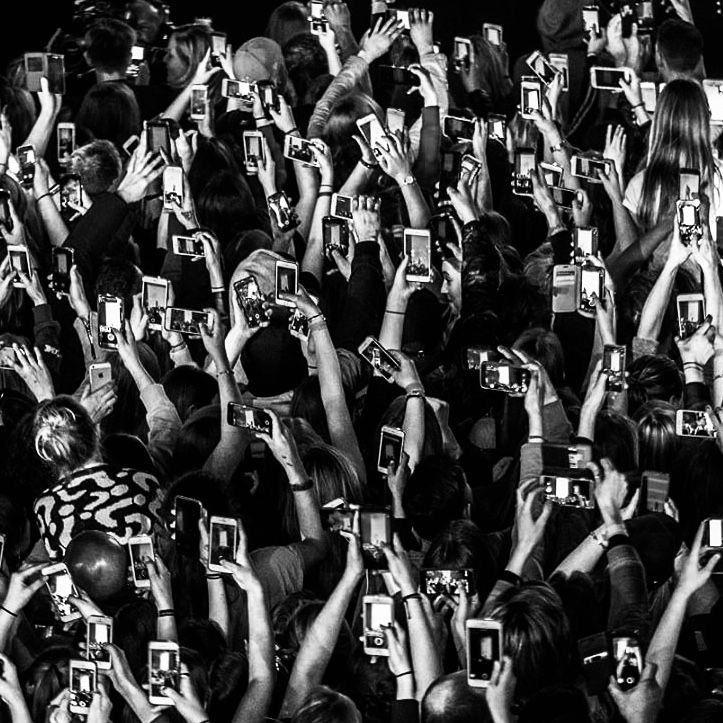
Social media also plays a crucial role in this discussion. Platforms like TikTok and Instagram always influence the things we do and consume, their algorithms recommend content based on our previous activity, showing us similar ideas and popular trends. We might feel that we are making completely independent choices, but our preferences can also be influenced by what these platforms promote.
However, popular culture is not necessarily negative. Films, music and social media can bring people together, introduce us to different cultures and give smaller creators opportunities to share their work. The internet has also made it easier for new artists to reach audiences without relying entirely on traditional media companies.
In my opinion, the most important thing is to be aware of these influences, enjoying popular culture is not a problem, but it is crucial to think critically about what we consume and why. Are we choosing something because we genuinely like it, or because we see it everywhere?
Finally, the culture industry encourages us to look further than entertainment and consider how media influences our everyday lives. In a world where content is always available, learning to question what we watch and share is more important than ever.
Reference
Adorno, T.W. and Horkheimer, M. (2002) Dialectic of Enlightenment: Philosophical Fragments. Translated by E. Jephcott. Stanford, CA: Stanford University Press.


