
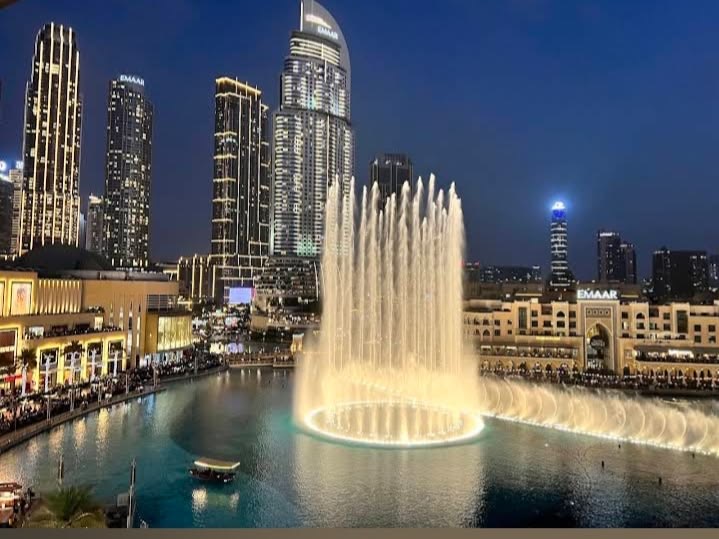
Dubai is often portrayed as an emblem of wealth, luxury and opulence with influencers keenly showcasing ridiculously extravagant hotels, towering skyscrapers and exclusive shopping sprees. Behind this carefully curated image, however, lies an extortionate troubling reality concerning the treatment of migrant workers whose labour has significantly contributed to the development of the Gulf region. In a report published by The Guardian, titled “up to 10,000 Asian migrant workers die in the Gulf every year, claims report” and clearly that doesn’t even begin to account for those ‘unaccounted’ European, African and Latin American citizens conned into accommodating labour camps such as the hundreds in Sonapour, (ironically translating to ‘city of gold’ or ‘golden city’) and with that, 100 Indians committed suicide in UAE every year since 2011 says The Times of India. More than half of these deaths examined are reportedly inexplicable or recorded as resulting from “natural causes” or “cardiac arrest” but a lot have later been found to be self-inflicted as conditions are so poor, wildly below human rights, that suicide seems the only way out. The report, “vital signs: the deaths of migrants in the Gulf,” also raised concerns about the failure to properly investigate these fatalities, at least not by any detrimental margin. This stark contrast between Dubai’s glamorous public forefront and the livelihoods of vulnerable workers raises questions about how the city is represented in contemporary media. Through the lens of culture industry theory, this blog will examine how commercial and social media promote and advocate for a smoked mirror, an idealised image of adornment whilst giving comparatively little attention to the exploitative human cost behind the rapid growth of the ‘city of gold.’
The concept of the culture industry, developed by German philosophers: Theodore Adorno and Max Horkheimer, offers a useful framework for understanding how Dubai is represented in contemporary media. Examining how culture and entertainment become shaped by capitalism, commercial interests, and the inevitable pursuit of profit as expected from one of the world’s major wealth hubs. According to the Stanford Encyclopaedia of Philosophy (2024), Adorno’s critique of the culture industry examines how refined products can be heavily commodified. This concept can be applied to the way Dubai is promoted through tourism advertising and glamourised influencer branding, (a lot of whom are paid to come over to Dubai and promote the ‘way of life’ there). Pictures of lavish expenditures don’t simply showcase the city; they transform its locations and experiences into desirables. Social media further allows these rhetorics to circulate widely, associating Dubai with status and aspiration. From this perspective, the city’s representation becomes part of a wider consumer culture in which destinations are marketed as a lifestyle choice to be envious of and feel FOMO over.
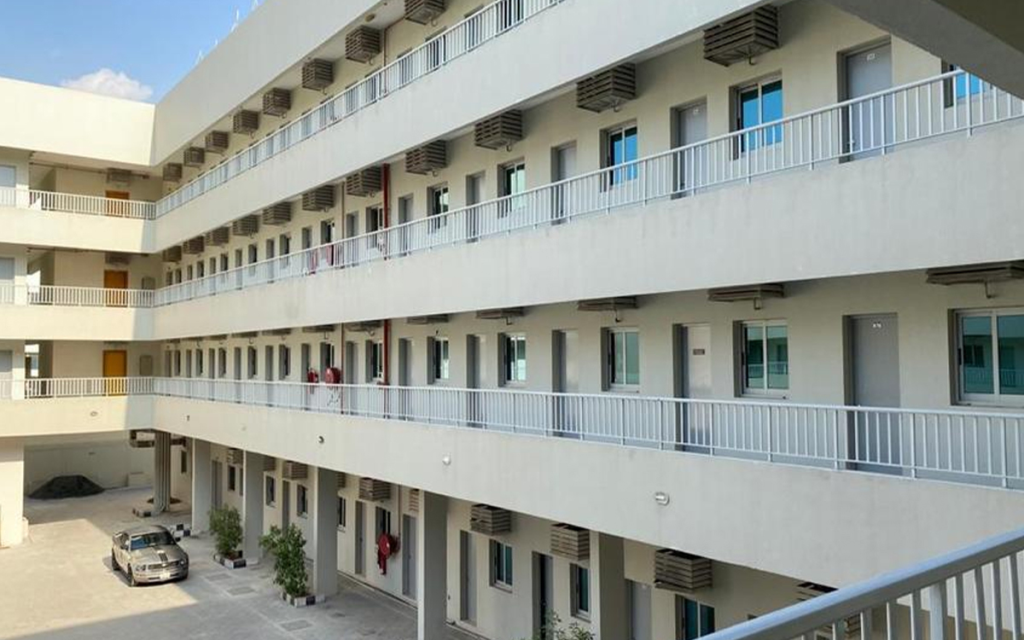
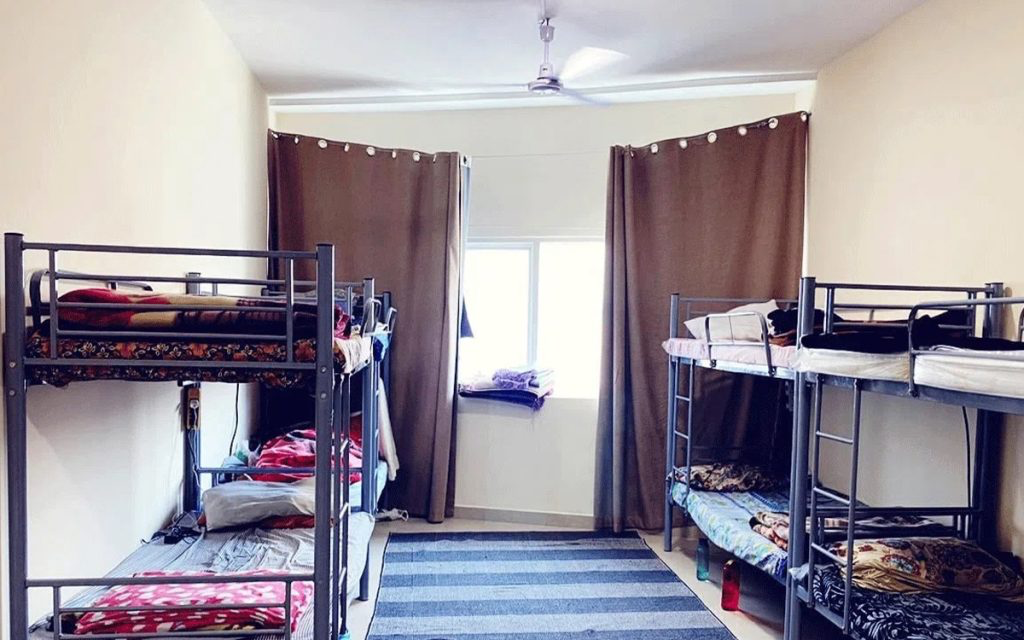
Behind Dubai’s luxurious imagery like mentioned before, there is a harsh reality: the migrant workers whose labour is the backbone of Dubai are treated like pawns. Sonapour, the main area associated with multiple camps and worker-accommodation compounds, illustrates the living arrangements of some of these workers. Human Right’s Watch, (2006) investigation into the UAE, documented concerns including retirement debt, unpaid and withheld wages in which some are repeatedly lied to, promised to received payment in 2 months time with either nothing given or money withheld and overcrowded accommodation, holding 10-20 individuals. The very human cost of Dubai’s development is also reflected in the case of Athiraman Kannan, a 38-year-old Indian construction worker who died by suicide at the Burj Khalifa from the 147th floor in 2011, in which he and his co-workers constructed, landing on the 108th floor deck, immediately dying from impact. Modern reports described the financial pressures (like loan-sharks threatening his wife for money), he faced while supporting his family back home and absconding, (leaving without your employer’s permission) is illegal, additionally employers tend to threaten workers by forcing them to sign a form saying that 2 of their coworkers will lose their salary for an entire month as penalty. His story forms a striking contrast- the Burj Khalifa is powered by the Kafala system, (basically hostage situations hidden behind the guise of fair regulations and law). Through culture industry theory, this contrast invites us to challenge commercial representations.
Looking beyond Dubai’s extravagant representation encourages a critical understanding of whose experiences are made visible and whose are left in the dust, especially as to why they’re existences are being hidden, to which the pretty facade begins to tear.


