
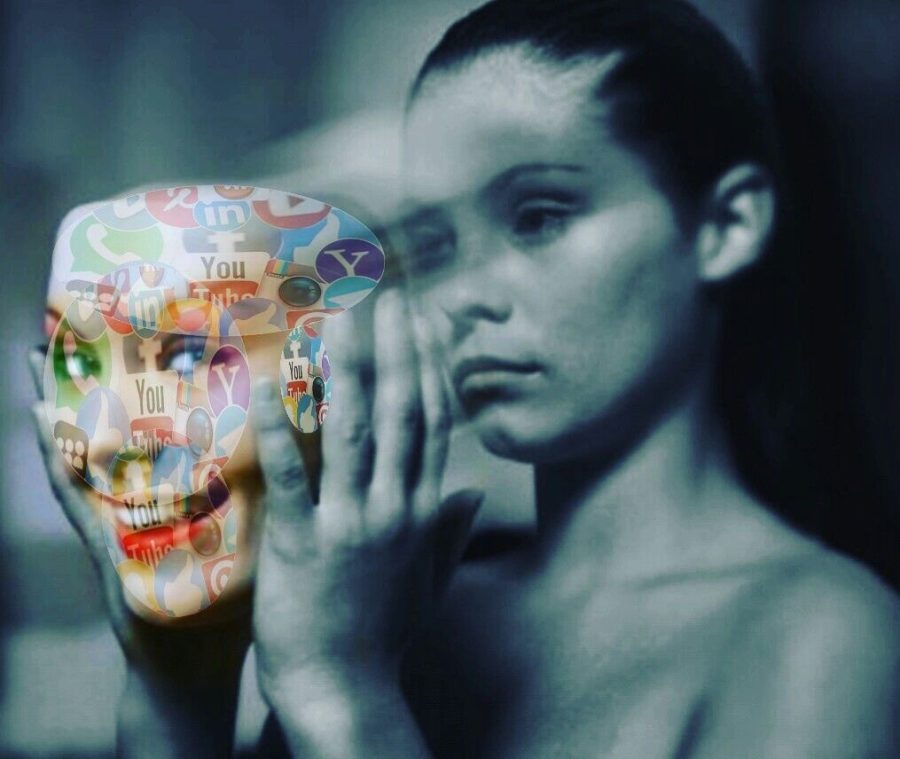
In a digital era, social media has become an indispensable part of people’s lives. People show their daily lives, thoughts, and attitudes on social media through pictures and videos.
Goffman believes that social interaction is a big stage for performance. Everyone plays different roles in different situations, and everyone is both a performer and an audience of others; people also engage in impression management, and people adjust their performance to shape how others see them (Goffman, 1959).
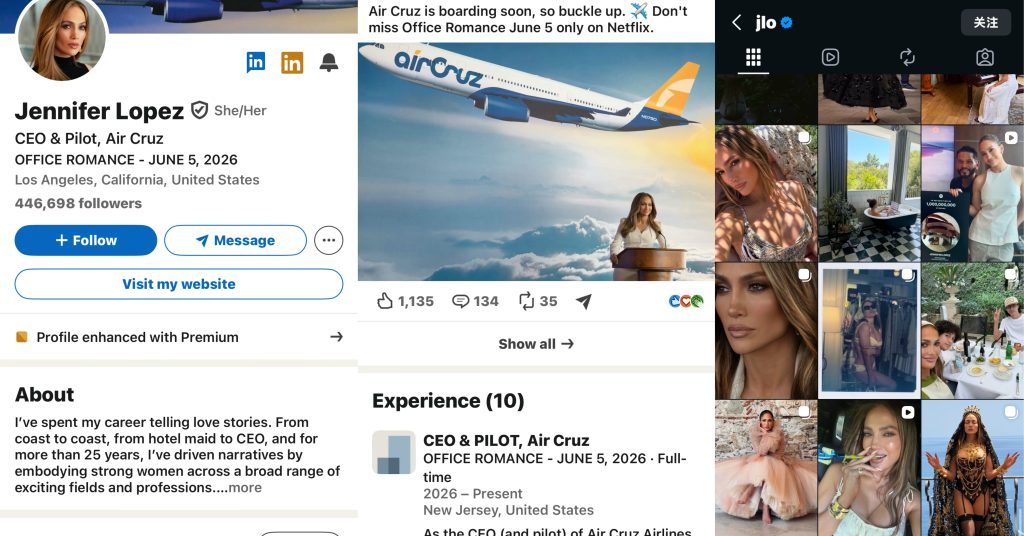
This theory does apply in today’s era. For example, people usually post their daily photos on Instagram, such as a delicious lunch, a pleasant shopping experience, or a happy trip, but people’s performance on LinkedIn is different. People usually show their work experience, titles and honors.
On my own WeChat account, I will divide each group of people into different tags, such as parents, friends, and teachers. When I post on WeChat Moments, I will also set which people can see and which people can’t see according to the content of the post.

However, Goffman’s theory also has limitations. He regards every social interaction as fragmented, and a performance ends once it is over. In the Internet era, the content published by everyone will be saved by the Internet, leaving traces. With the help of AI tools, I easily found a post featuring my photos on my junior high school’s WeChat Official Account. I felt shocked and a little embarrassed. It had been written for my classmates and teachers at the time, yet years later it could still be found and read outside its original context. A performance no longer ends when the audience leaves. This echoes Garfinkel’s criticism that Goffman focuses on episodic situations and overlooks that the self continues across a lifetime (Scannell, 2012).
Overall, Goffman’s theory can still describe social activities in the digital age, but with the development of digitalization, the theory needs to take continuity into account.
Reference:
Goffman, E. (1959) The Presentation of Self in Everyday Life. Garden City, NY: Doubleday.
Scannell, P. (2012) ‘Communication as interaction’, in Media and Communication. London: SAGE Publications Ltd. Available at: https://doi.org/10.4135/9781446211847


I really like the examples you provided comparing the different performances on Instagram and LinkedIn. The case of grouping in WeChat Moments is very close to real life, clearly demonstrating the behavior of managing impressions by segmenting the audience. Regarding the analysis of digital traces, the analysis is still seen long after the original “scene” has ended, which is also a problem we encounter in our lives and reflects the limitations of the theory.
This post made me think: Currently, we rely on setting groups to perform ourselves, but this distinction is indeed not reliable. So, is this approach merely making our online self-performance more vulnerable?