
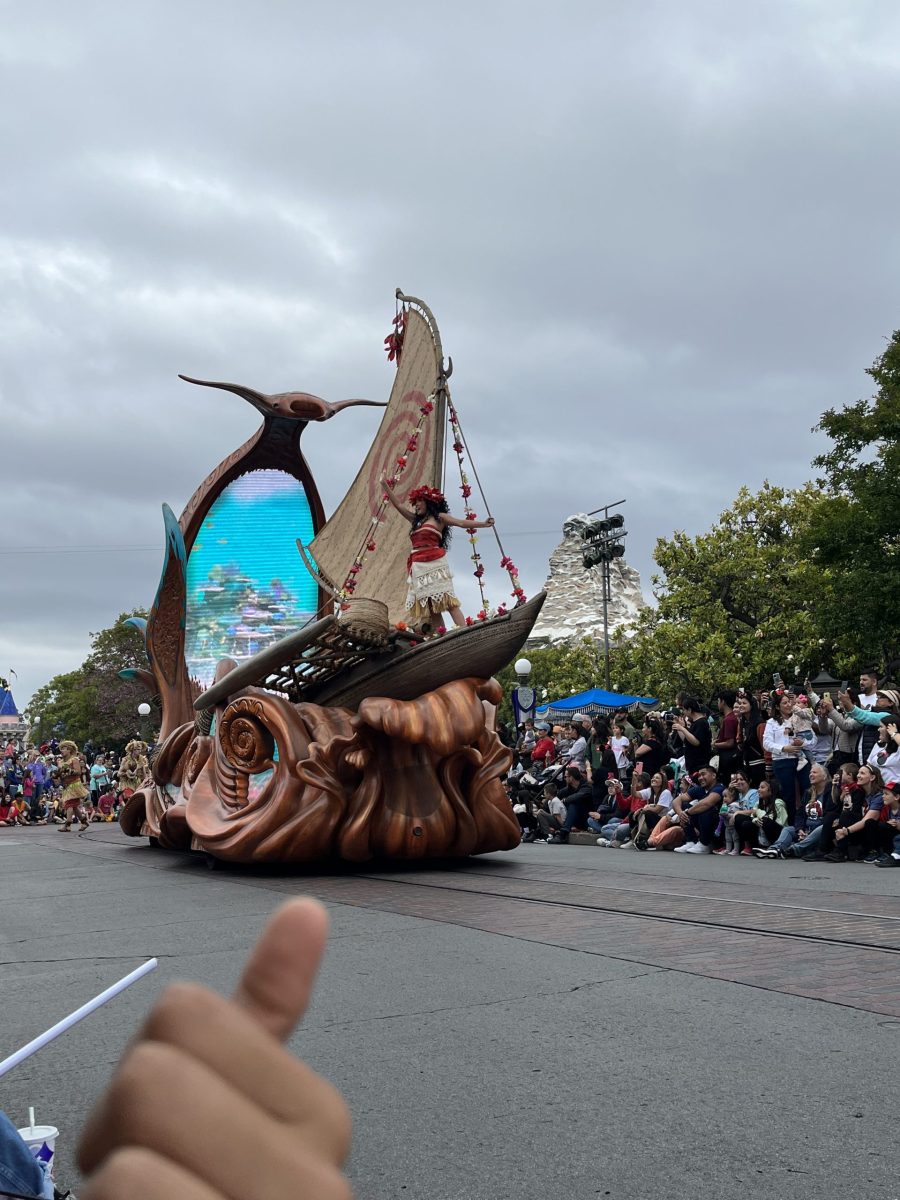
The “Culture Industry” is a term coined by philosophical thinkers Theodor Adorno and Max Horkheimer in order to describe the notion that mass media and popular culture has become a rather mass-produced product, often controlled by large companies to entertain their consumers and manipulate their thinking. Instead of creating for enjoyment or artistic values, companies often create media for profit. The Walt Disney Company is a prime example of this tactic, as they transform stories, characters, and entertainment into a global business that has a huge impact on the way consumers act and spend their money. Both Horkheimer and Adorno believed that popular culture as well as media were becoming increasingly standardised. They noted that the products often followed familiar patterns which made them easier for audiences to recognise and digest. This in turn creates the thought that consumers need little to no thought for the consumption of media. They already know what to expect coming into a film, and therefore require little critical thinking.
Commodification is also relevant when it comes to the ideas of Disney- through their films, merchandise, theme parks, and streaming services. The culture industry encourages audiences to become consumers in the particular culture, and Disney reinforces this idea.
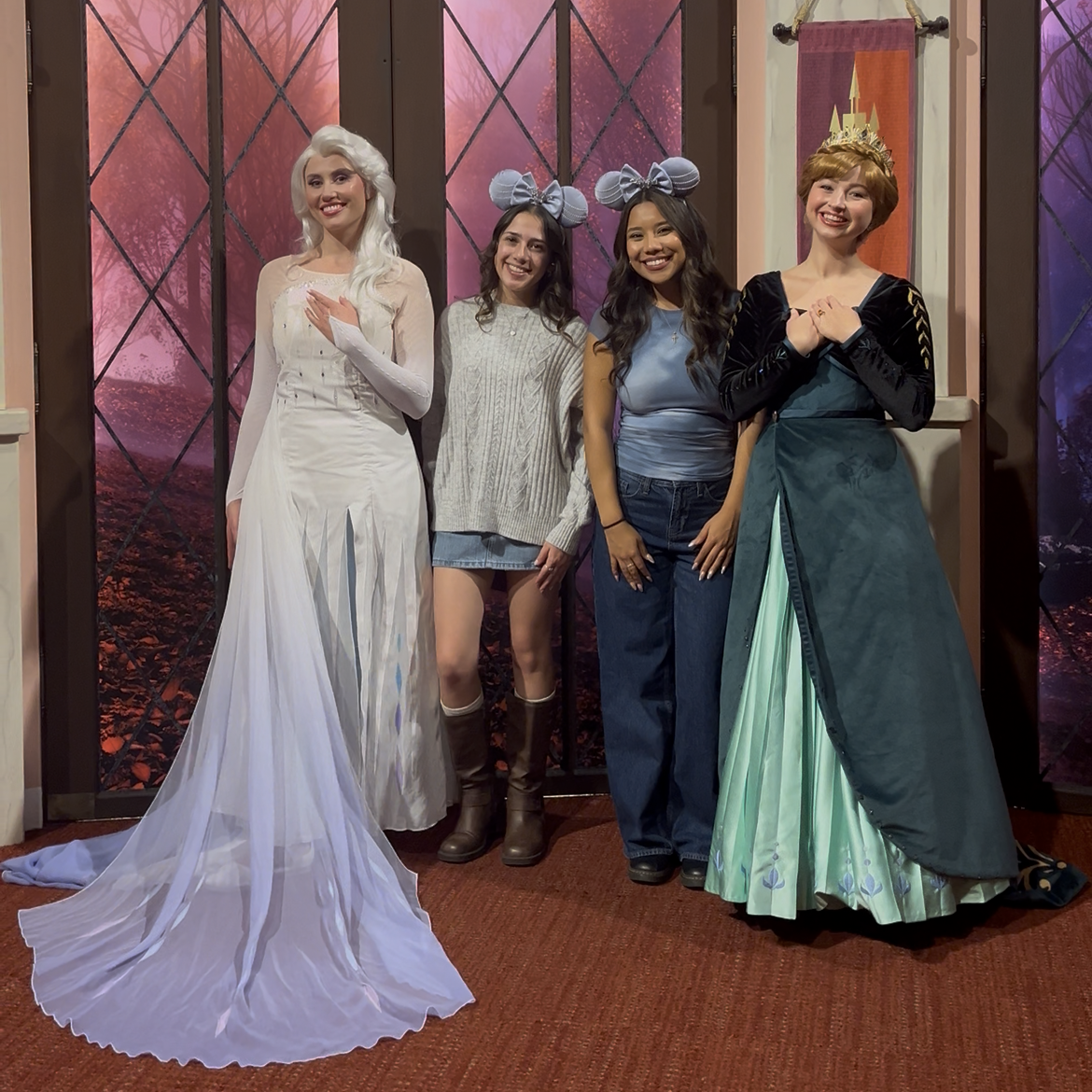
The Standardisation of Walt Disney Picture films is evident in the recognizable structures they follow. They almost always portray ‘the Hero’s Journey’, including a main character with an obstacle, and the development of their triumph throughout the film, and ultimately coming to a positive ending (a Happily Ever After, if we must). Certain films like Frozen, Coco, and Moana all include familiar themes of personal growth, a finding of identity, and the defeat of adversity. Although they contain different characters, settings, and cultures, the familiar storytelling patterns keep them circling the media. As Horkheimer and Adorno would explain, the repetition in storytelling demonstrates how the culture industry continues to produce storytelling and entertainment that are easily consumed by audiences.
Sequels, remakes, and life action adaptations of famous and successful films also reinforce the culture industry theory as Disney reduces their commercial risks with the potential introduction of new stories and characters. This in turn illustrates how profit influences cultural production, as Disney knows what will sell, rather than what will emotionally influence.
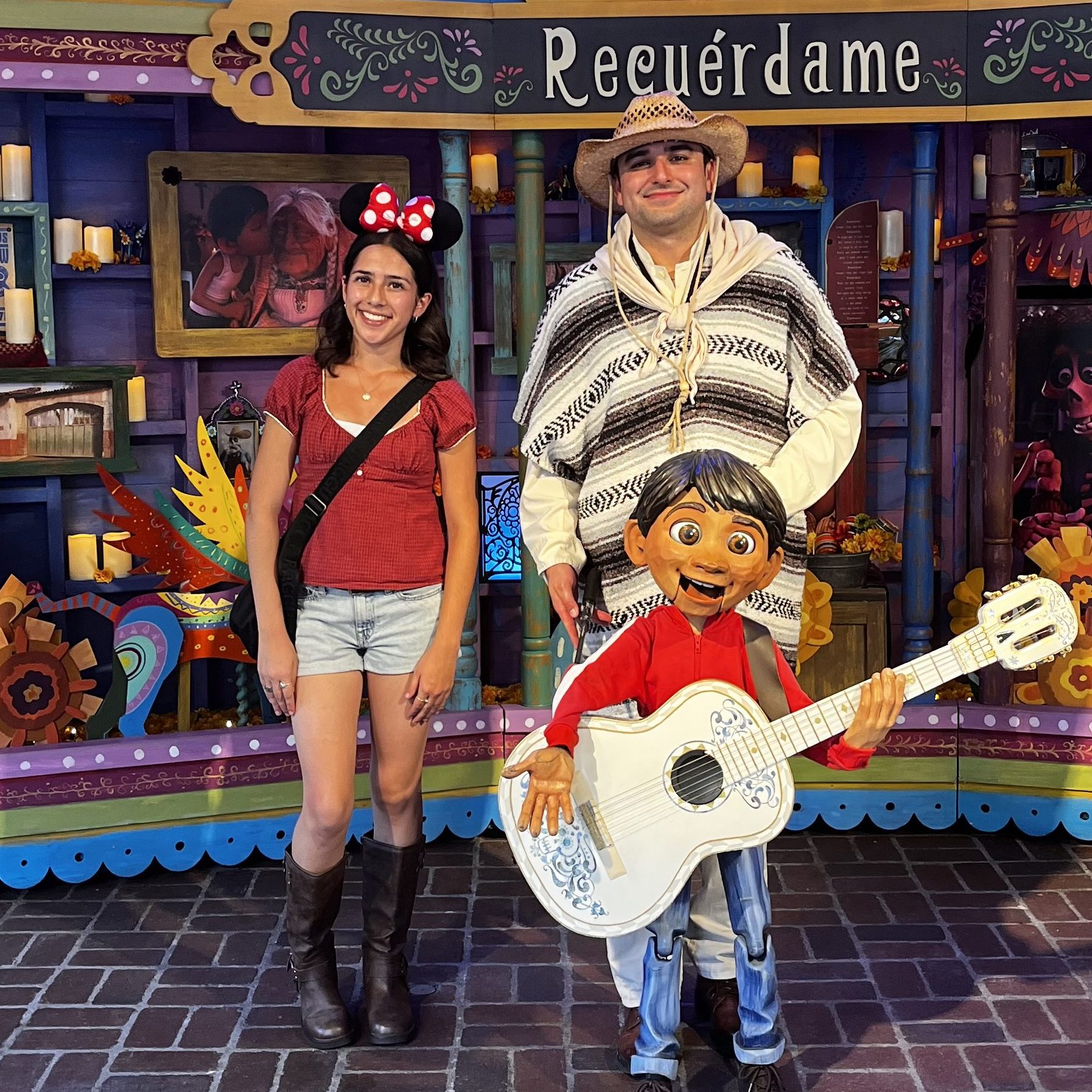
The Walt Disney Company also demonstrates the culture industry through its effort and success of turning entertainment into a wide range of consumable products. A film does not simply generate profit through its cinematic success, but rather the merchandise that is produced and sold through stores and theme parks alike. A huge hand in the culture industry when discussing the Walt Disney Company, is the theme parks. By turning the cinematic fictional worlds into paid expenses, consumers are more likely to immerse themselves and spend bucketloads of money. This keeps the companies satisfied and monetarily growing, as the culture they are constantly mass producing is being sold to low thinking consumers who are comfortable with the familiar patterns that Walt Disney Company is manufacturing.
In conclusion, the Culture Industry provides a deep explanation as to how the Walt Disney Company combines entertainment with commercial gain. The company’s storytelling, theme parks, and merchandise take cultural products and turn them into global profit.


