
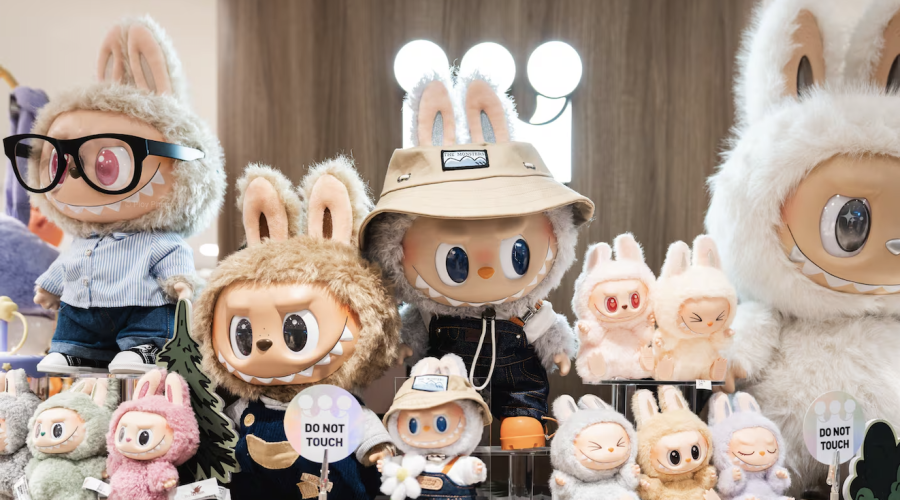
In May 2025, crowds queued overnight outside Westfield Stratford in East London. People pushed, shouted, and there were even physical fights. What was all this commotion about? The answer is ‘Labubu’, a plush monster doll from Pop Mart. Shortly afterwards, Pop Mart suspended in-store sales at all 16 of its UK outlets (Edwards, 2025). As I browsed short videos and news, I started wondering: had these people fallen crazily in love with the toy of their own minds, or had someone else made the choice for them?
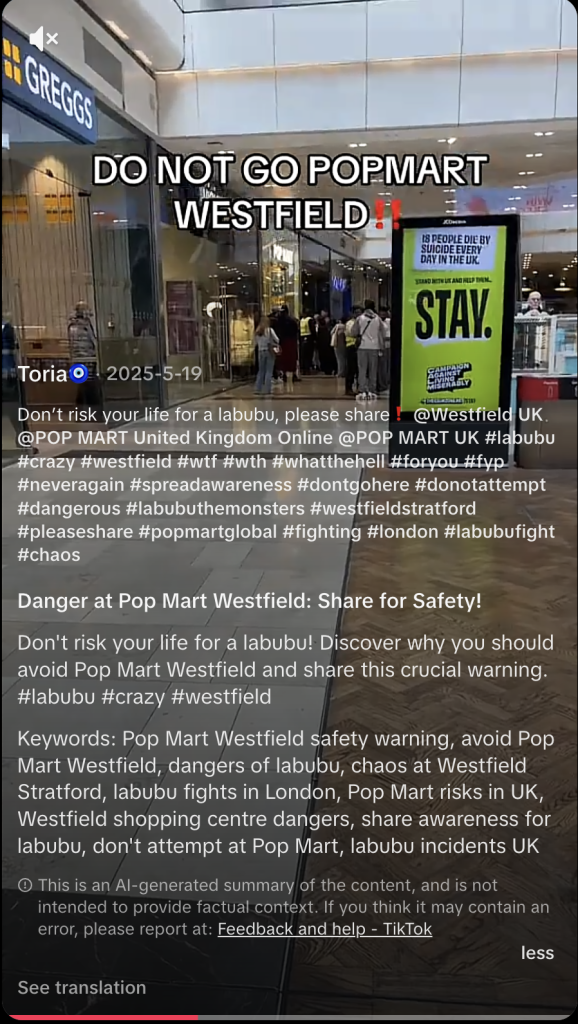
@victoriamarie02x, 2025 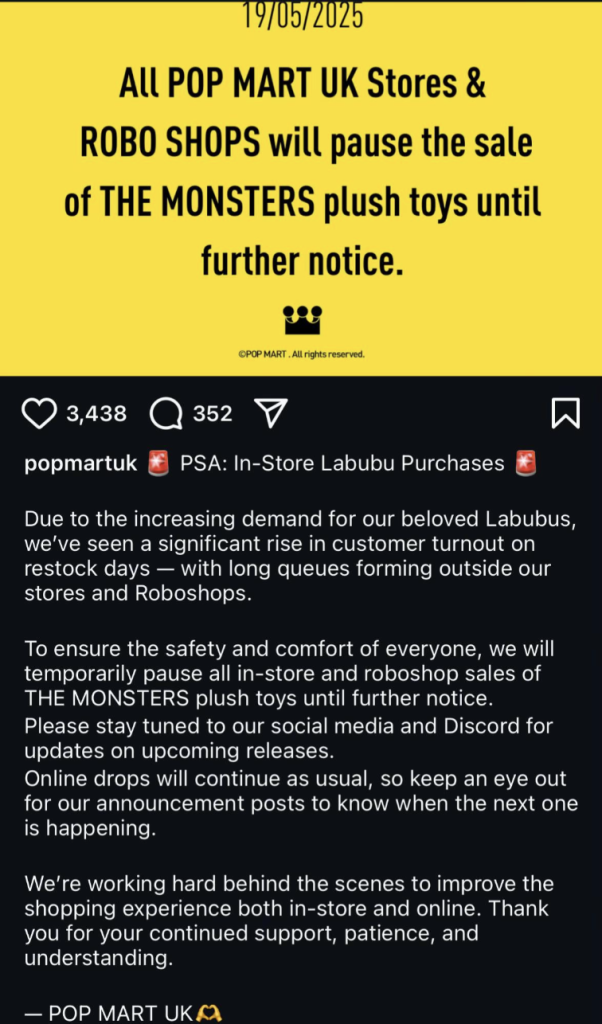
@popmartuk, 2025
Adorno and Horkheimer (2002) introduced the concept of the ‘culture industry’ in their book Dialectic of Enlightenment back in 1947. They argued that, under the capitalist system, culture—like any other commodity—is standardised, mass-produced and sold for profit. However, culture does not feel like a standardised product. Cultural commodities utilise minute differences to label products as ‘niche’ or ‘unique’, creating the illusion of pseudo-individuality to conceal the fact that everyone is consuming the same product.
Adorno and Horkheimer (2002) believe audiences have become passive consumers, accepting rather than questioning.
Labubu’s massive popularity is a prime example. Created in 2015 by Hong Kong illustrator Kasing Lung, Labubu had remained largely unknown for the past decade. However, when BlackPink’s Lisa, Rihanna, and Dua Lipa were photographed with Labubu hanging from their bags, the plush doll went viral on social media, and many people began scrambling to snap up Labubu dolls, especially limited and special editions (Kemp, 2025). Compared to the past decade, Labubu’s design has never changed; only the marketing strategy has evolved. Pop Mart’s core strategy is to utilise curiosity and scarcity by introducing limited-edition items and the ‘Blind Boxes’, turning shopping into a game whose rules are entirely dictated by the company. Even the suspension of sales at UK stores after a brawl kept Labubu in the headlines, which made it even scarcer. A retail consultant told CNN that the move both tempered the buying frenzy and boosted the product’s popularity (Kemp, 2025).
Then there is personalisation. Owners dress their ‘Labubu’ dolls in miniature outfits, describing them as a present of their own personal style. Yet this individuality remains confined within the brand’s framework. It is simply the same monster doll with a different outfit. Our ‘self-expression’ is based on a purchase.
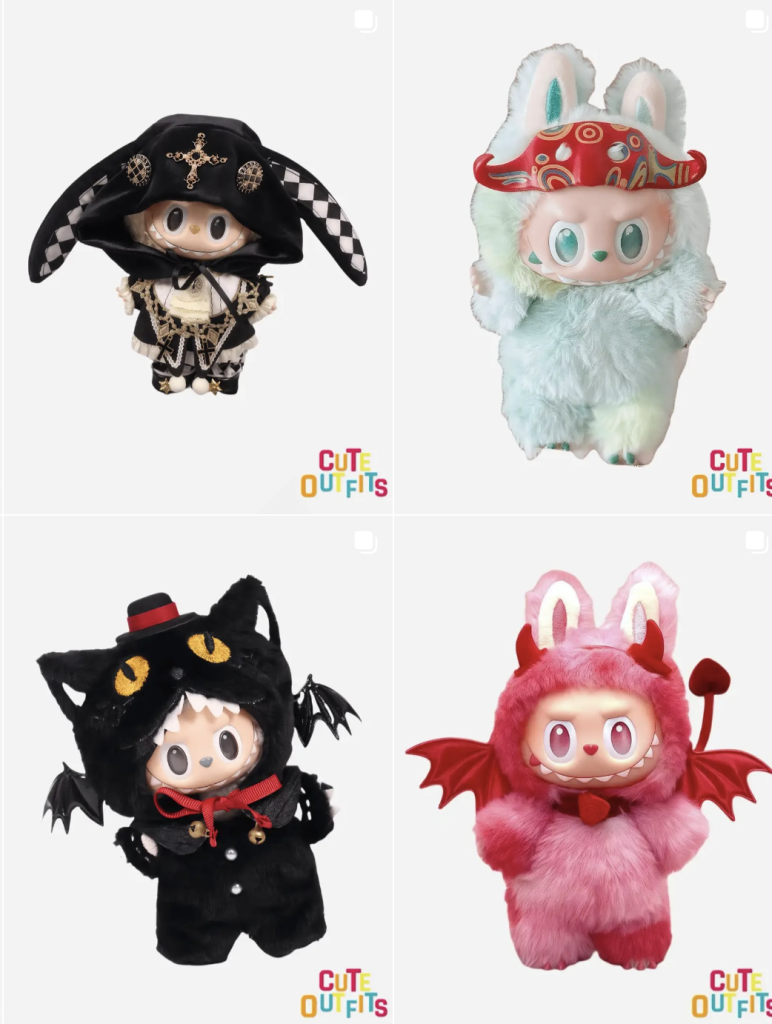
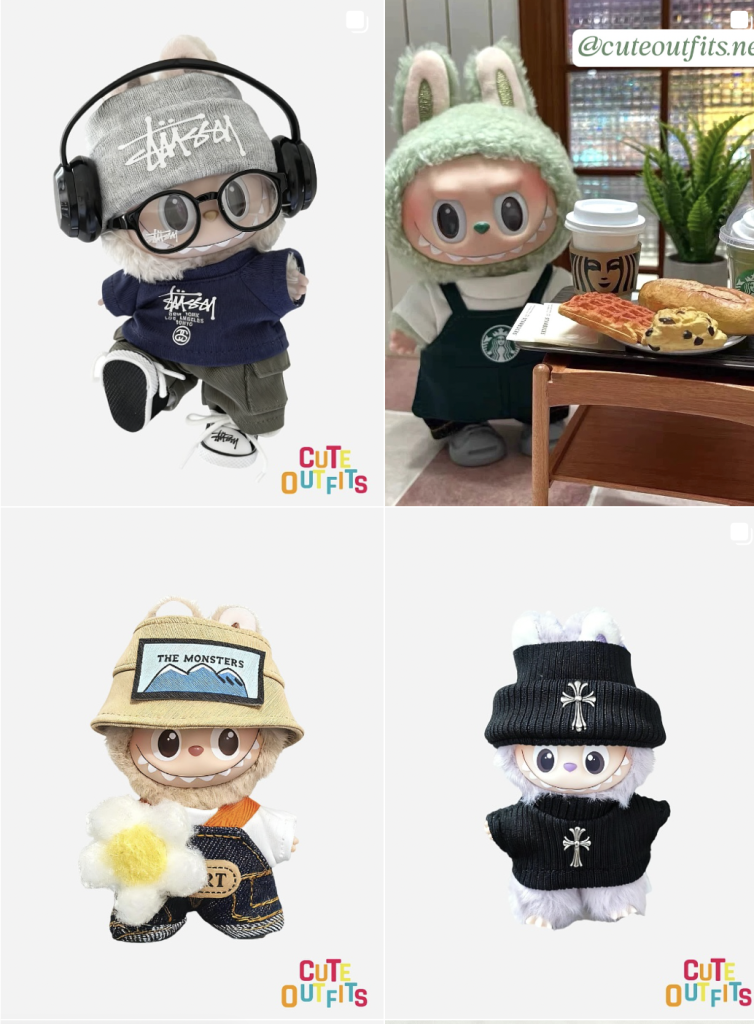
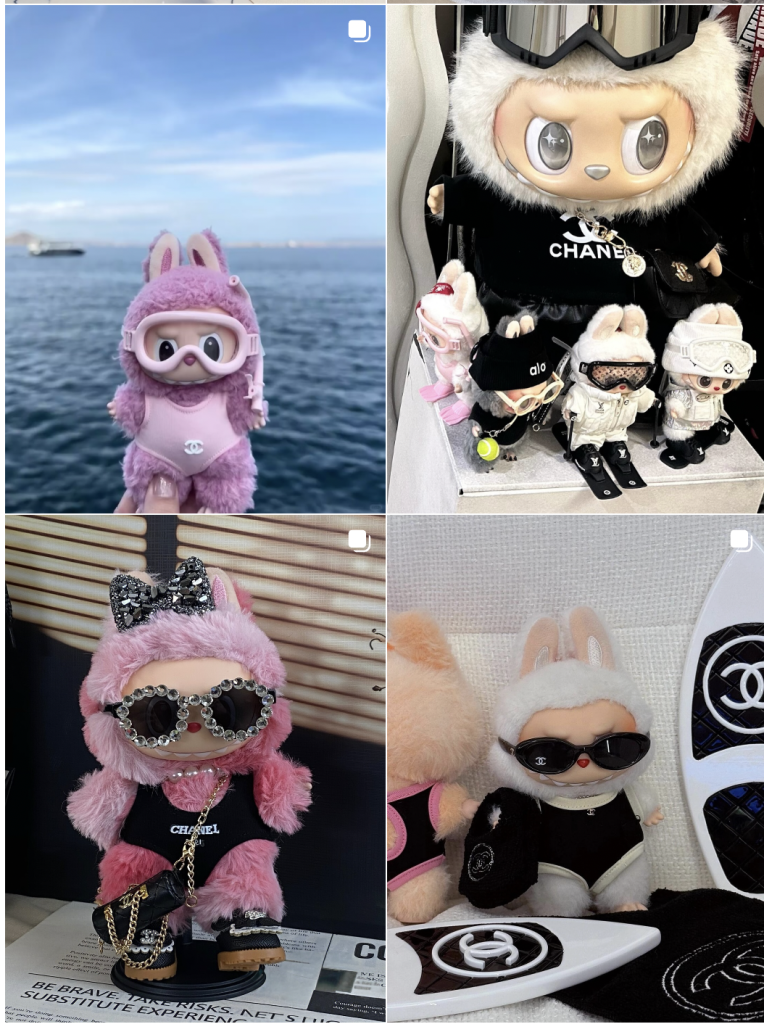
So, are we merely passive consumers? I do not entirely agree with this view. Adorno and Horkheimer’s view seems overly pessimistic. Stuart Hall (1974) argued that audiences decode the media in their own way, rather than merely accepting predetermined messages. Labubu owners hand-make outfits and swap duplicate styles with each other. For them, this doll brings genuine joy and a sense of belonging.
Maybe the answer lies somewhere in between. Capital shapes our desires, and Labubu shows capital’s efficiency. However, we are not merely passive consumers devoid of thought. The real question is not whether we follow trends, but whether we understand why we do so. So next time we feel the urge to buy a product simply because it is trendy, let us try to ask ourselves: where does this desire come from?
References
Edwards, C. (2025) Labubu fan fury after dolls pulled from Pop Mart stores over fights. https://www.bbc.com/news/articles/cvgvwvvlnv3o.
Hall, S. (1974) ‘The television discourse – encoding and decoding,’ Education and Culture [Preprint]. https://eric.ed.gov/?id=EJ103468.
Horkheimer, M. and Adorno, T.W. (2002) ‘The Culture Industry: Enlightenment as Mass Deception,’ in Dialectic of Enlightenment. Stanford University Press.
Kemp, O. (2025) Sales of viral plush toy Labubu halted in UK stores after reports of brawls. https://edition.cnn.com/2025/05/23/business/labubu-uk-sales-fights-intl-scli-gbr.
popmartuk(2025) 19 May. Available at: https://www.instagram.com/p/DJ2Be4zCkA6/utm_source=ig_web_copy_link&rpxt=NTc4MTIwNjQ2YQ==(Accessed: 25 October 2025).
victoriamarie02x (2025) 19 May. Available at: https://www.tiktok.com/@victoriamarie02x/video/7506079948826840342?is_from_webapp=1&sender_device=pc&web_id=7692881719552394774(Accessed: 25 October 2025).


