
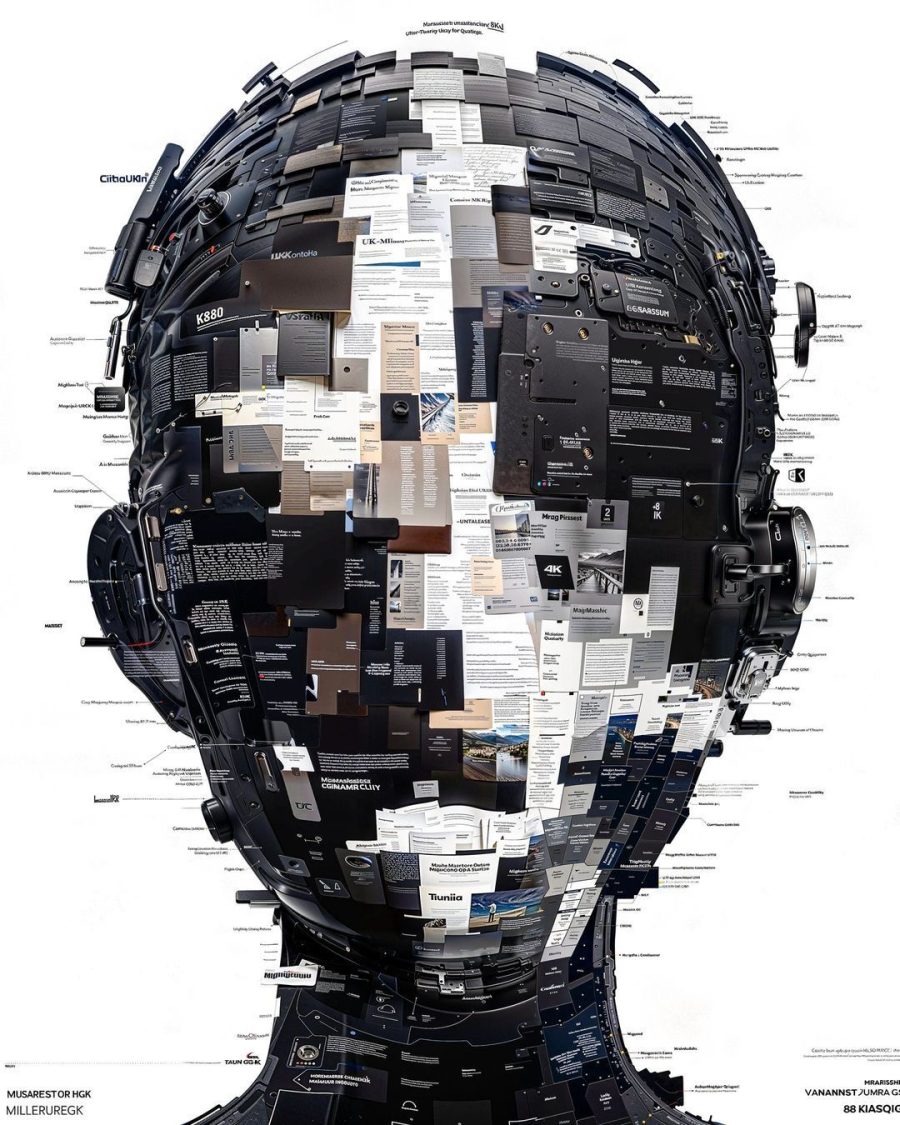
In today’s society, digital media plays an important part in how people express themselves and how they are seen by others. Social media platforms such as Instagram and TikTok allow individuals to share their interests, opinions and lifestyles. However, the identity presented online does not always reflect a person’s entire reality. Instead, digital identity is often constructed through the content people choose to share and how they interact with others.
A way of understanding this process is through Goffman’s theory of self-presentation. In The Presentation of Self in Everyday Life (1956), Goffman compares social interactions to theatrical performances, insinuating that people manage the impressions they create on others. This idea is particularly relevant to social media because users can choose photographs, edit videos and write captions to represent themselves in certain ways. Like someone sharing pictures of themselves travelling or achieving personal goals while choosing not to show moments of insecurity or loneliness. Consequently, audiences may perceive an idealised version of that person’s life rather than their complete reality.
Another important aspect of digital identity is the relationship between self-expression and social validation, likes, comments and followers can influence how individuals perceive themselves and their social value. Users may adapt their content to receive more attention, gradually changing how they show themselves to meet audience expectations, this raises questions about whether people express their authentic identities online or construct versions of themselves that are more socially acceptable.
Also, digital media provides opportunities for individuals to explore different aspects of their identities. Turkle , in Life on the Screen: Identity in the Age of the Internet (1995), examines how digital environments influence people’s understanding of identity. Online platforms can help individuals find communities that share their interests and values, particularly when they struggle to express themselves in the offline world. However, these opportunities can also create pressure to maintain a particular online image.
Algorithms also influence identity construction by recommending content based on the user’s previous interactions. These recommendations can reinforce particular interests, lifestyles and social expectations, potentially affecting how people understand themselves and others. Therefore, digital identity is shaped not only by individual choices but also by the technological systems that organise online experiences.
Ultimately, identity in a digital world develops through the interaction between personal choices, social expectations and digital platforms. Although social media allows people to express themselves and connect with others, it also encourages constant comparison. Understanding these processes is essential for becoming more critical of the identities we encounter online and recognising that what people share on social media represents only one part of who they are.
References
Goffman, E. (1959) The Presentation of Self in Everyday Life. New York: Doubleday.
Turkle, S. (1995) Life on the Screen: Identity in the Age of the Internet. New York: Simon & Schuster.


