
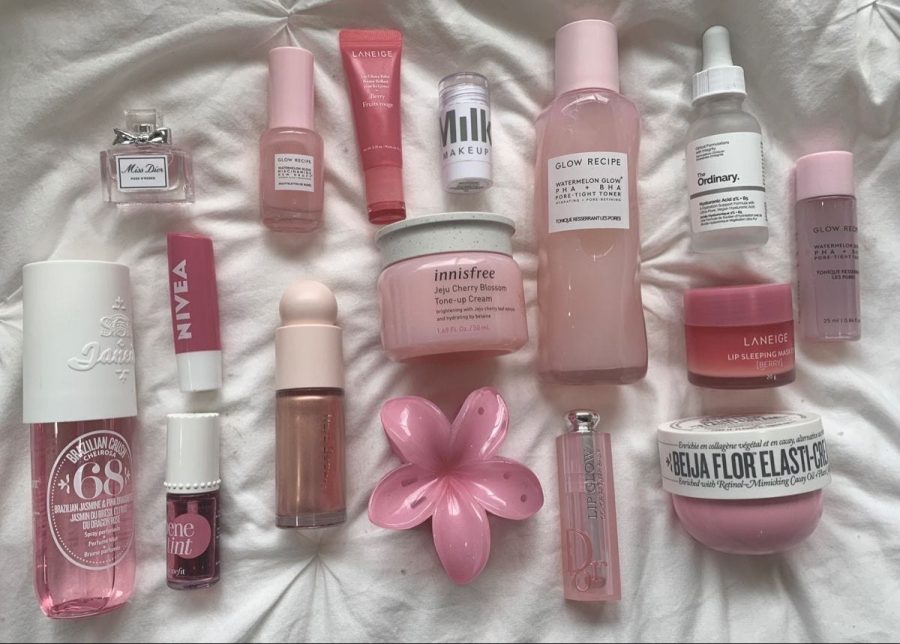
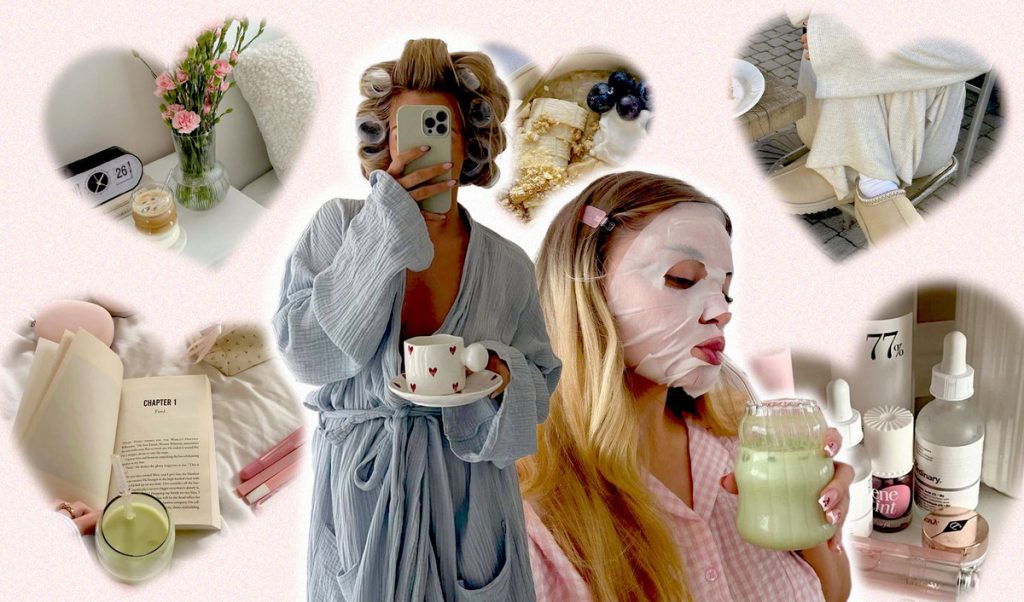
The clean girl aesthetic has become an increasing trend on social media in recent years, with women and girls showing off their minimalistic style, health habits, daily routines, makeup routines, hair tutorials and skincare. It can be argued that the clean girl aesthetic is a positive, by creating an online community and can potentially encourage some good habits such as good self-care, however there is a commercial side to the so called aesthetic. The clean girl aesthetic is more than just a look, and is about how people present themselves, and if they feel they need to fit into this category to fit into societal expectations.
Most of these videos will show skincare routines, that will be filled with multiple steps that are needed to achieve glossy, clear skin. If you get one popular influencer on Tik Tok showing off their routine, most likely many of those viewers will go online and purchase those products. The idea that people feel there is a need to buy these products links to consumerism. Because viewers are seeing on social media that they need to purchase these products to fit into a beauty standard and to look attractive, feeds into the culture industry theory. This links to Adorno and Horkheimer’s theory from their 1947 book- Dialect of Enlightenment. They argued that popular culture and mass media, such as film, operate like a commercial factory. Culture is mass-produced and standardised for economic profit acting as a powerful tool of social control and psychological manipulation. If the idea of needing 10+ products in your skincare routine becomes the standard, these companies will keep making a profit, and will just keep creating these products because there is a ‘need’ for them.
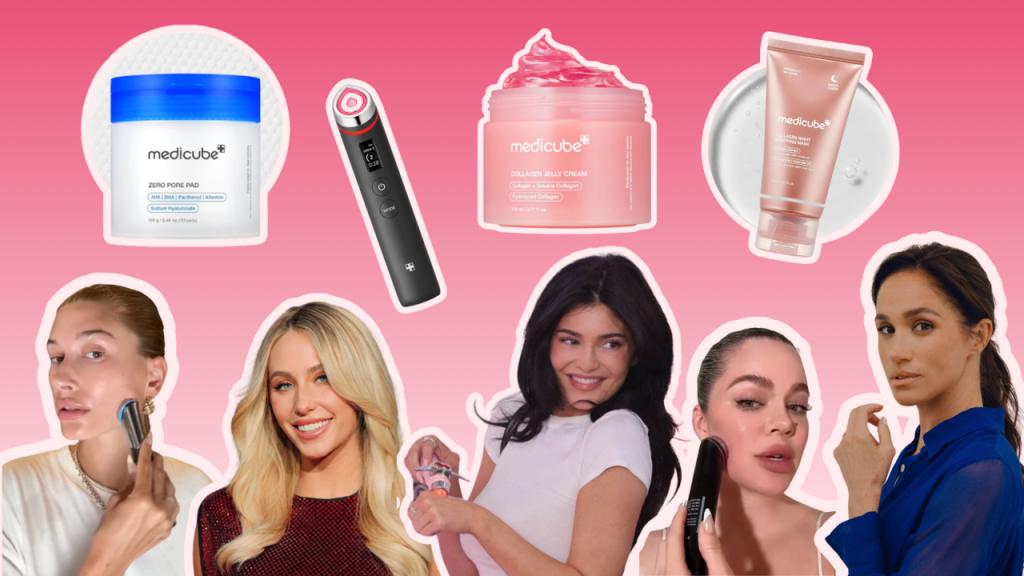
Medicube is a good recent example of this, with many creators saying how their products will help you reduce your pores and have clear perfect skin. Due to the rising popularity on social media, in 2025 medicube made approximately £730-£750 million in profit. Kylie Jenner for example has promoted these products on social media, showing the benefit they have, and they are a must have. This also links to Adorno and Horkheimer’s theory, as you can argue that celebrity endorsements help transfer beauty ideas into commercial opportunities. If a teenage girl admires Kylie Jenner and wants to be just like her, they are going to feel that they need to buy these products.
As also mentioned in Dialect of Enlightenment, Adorno says “It impedes the development of autonomous, independent individuals who judge and decide consciously for themselves” (Adorno)1992: 91-2. By social media being flooded by influential figures, convincing everyone that these are the best products that you have to purchase straight away, it is disabling individuals from making a conscious decision about what they are using, and falling into a trap of mass consumption.
It is highly likely that a few months down the line there will be a new skincare phenomenon that will take over and everyone will feel that they need to buy.


