
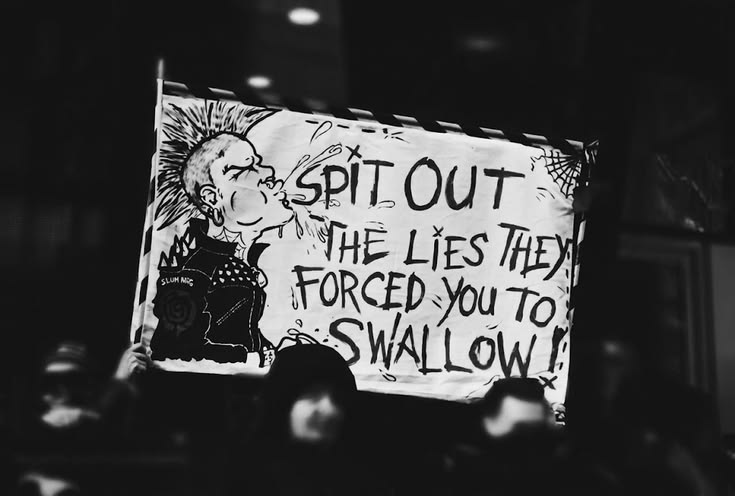
Punk culture was born to challenge the system. So what happens when the system starts selling it back to us?
Fashion including ripped jeans, leather jackets, band T-shirts and heavy boots have long been associated with punk culture and its rejection of mainstream society. However, today one would find these looks which were previously rebellious to be available in mainstream fashion stores. It leads to a question that if rebellion is being sold then can it still be called rebellion?
However, the issue gets complicated when one considers the culture industry, which is a term coined by Theodor Adorno and Max Horkheimer to describe how culture can be affected by mass production and making profits.
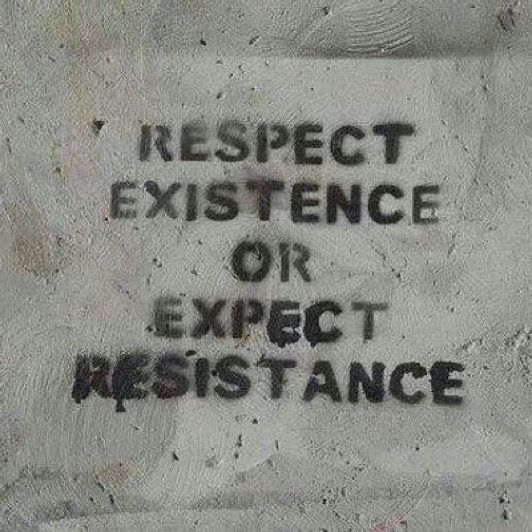
When Rebellion Becomes a Trend
Adorno and Horkheimer argue that mass culture encourages standardisation, making cultural products increasingly similar and commercially predictable (Horkheimer and Adorno, 2006). In this case, culture becomes a commodity rather than just being a medium of creativity where instead of motivating people to think on their own, culture is able to inspire them to follow the same old patterns of consumption. This perspective raises questions about whether alternative cultures can genuinely challenge mainstream society when their styles and ideas become commercially profitable.
In this context, punk provides an intriguing example of the contradiction at work. The DIY ethos of this subculture, along with its customised dress and anti-authoritarianism, questioned traditional views on fashion and respectability. As Hebdige (1979) states, it is through stylistic means that subcultures are able to convey their message of opposition to mainstream society and create meanings contrary to these societies. But as soon as fashionable brands start selling clothing in punk style, this meaning may get altered because ripped jeans and studded jackets will become commercial goods for anyone to buy.
The Illusion of Individuality
This is where the culture industry becomes especially significant. Scannell (2007), in his discussion of the Frankfurt School’s theory of mass culture, addresses the issue of how capitalist systems affect the production and consumption of culture. Considering this from the perspective of punk culture, this means that the market can assimilate alternative fashion..
Think about it: we often buy alternative clothing because we want to stand out and express who we are. Yet, when thousands of people purchase similar items produced by mainstream brands, individuality starts to look surprisingly uniform, becoming the norm rather than rejection of said norm.
In addition, Walton (2017) notes the broader worries by the Frankfurt School of consumer society and mass culture. According to this framework, acquiring a rebellious aesthetic may provide a sense of rejecting societal norms without actually going against the profit-making mechanisms of the capitalist system.
Of course, this does not mean that everyone who wears punk-inspired clothing is inauthentic. Fashion can still be a meaningful form of self-expression. The important question is whether alternative culture retains its critical values or becomes reduced to an appearance that can be marketed.
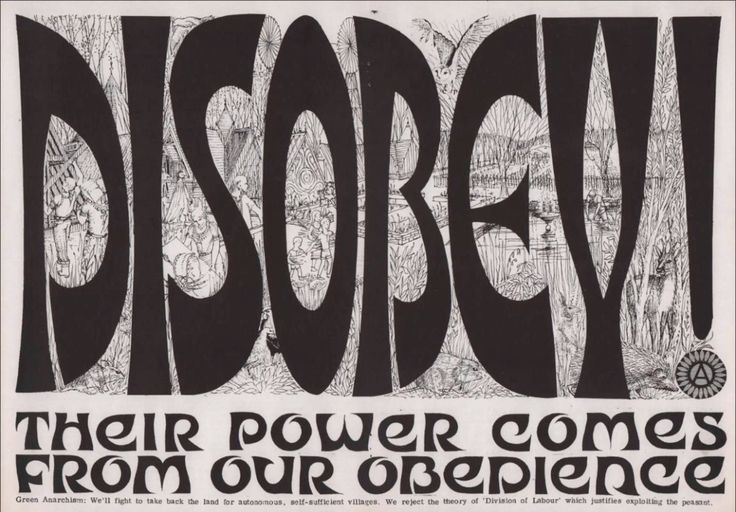
Can Rebellion Survive Capitalism?
The most fascinating aspect of punk is perhaps that the commercialisation of the genre does not necessarily imply the death of its resistance character. Independent music scenes, DIY fashion and grassroots communities remain alternative to mainstream culture.
However, punk reveals a contradiction at the heart of capitalism: even opposition can become profitable. The culture industry can turn the desire to be different into another reason to consume.
In other words, when you encounter a punk-themed outfit in the store, consider what is happening: Are we buying into rebellion, or are we simply buying the look of it?
References:
Durham, M.G. and Kellner, D. (eds.) (2006) Media and Cultural Studies: KeyWorks. Revised edn. Malden, MA: Blackwell.
Hebdige, D. (1979) Subculture: The Meaning of Style. London: Methuen.
Horkheimer, M. and Adorno, T.W. (2006) ‘The culture industry: Enlightenment as mass deception’, in Durham, M.G. and Kellner, D. (eds.) Media and Cultural Studies: KeyWorks. Revised edn. Malden, MA: Blackwell.
Scannell, P. (2007) Media and Communication. London: SAGE.
Walton, S. (2017) ‘How the Frankfurt School diagnosed the ills of Western civilisation’, Aeon. Available at: https://aeon.co/essays/how-the-frankfurt-school-diagnosed-the-ills-of-western-civilisation(Accessed: 15 October 2026).


Your last question reminded me of Mindless Self Indulgence. Their 2005 album was called “You’ll Rebel to Anything”, and the title track adds “(As Long as It’s Not Challenging)”. It’s a joke aimed at fans who buy rebellion ready-made. It was also their first album to chart, and the first to come out in clean versions for retail. Hebdige, whom you quote, called this incorporation. So here even the joke about incorporation was incorporated. Also, your title points at distinction. Standing out is genuinely uncomfortable for some people. Disagreeing with a group may register almost like an error for many. I would say that discomfort is the price of looking punk, and it’s also the message. A high-street version costs nothing, so it signals nothing, and people seem to feel this: in one study, students stopped wearing a wristband as soon as a “geeky” dorm next door started wearing it. So maybe the industry is not selling rebellion so much as the next escape from the last one. Does punk only survive while it stays too uncomfortable to sell?