
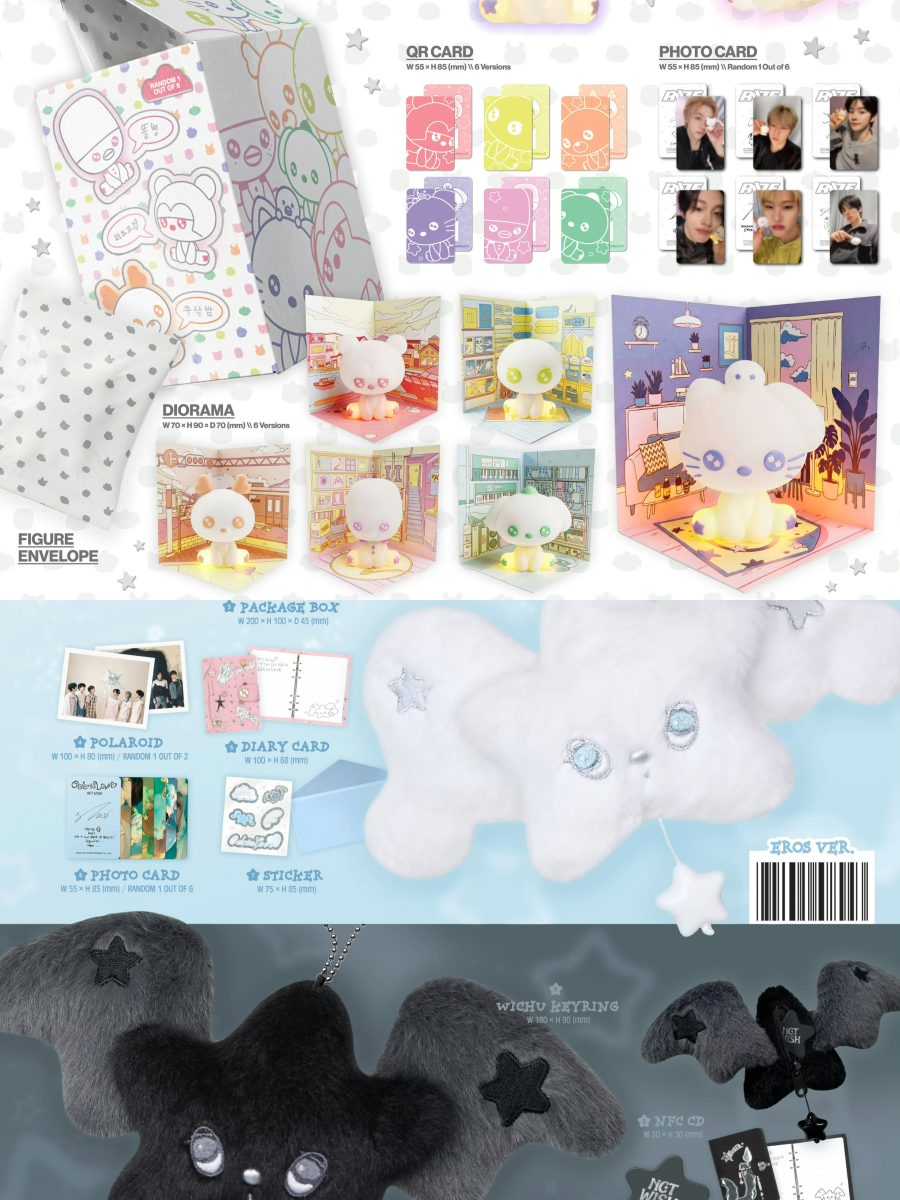
K-pop has become popular around the world. However, K-pop is not only about music. It is also a business that encourages fans to spend money on albums and merchandise. One interesting example is the use of random photocards in physical albums. Some fans buy several copies of the same album because they want to collect photocards of their favourite idols. This can be explained through the culture industry theory.
Horkheimer and Adorno (2002) believed that culture can become something companies make and sell to earn money. They also believed that cultural products often look different, but are actually very similar. This is connected to the ideas of standardisation and pseudo-individualisation.
These ideas can help us understand the K-pop industry. Entertainment companies often release different versions of the same album. Although the music may be the same, the packaging, photos and photocards can be different. This makes fans feel that each version is special and worth buying.
Random photocards are a good example of how K-pop companies encourage consumption. Fans do not always know which member’s photocard they will get. If they do not get their favorite member, they may buy another album.
Choi (2025) explains that random photocards and other album marketing strategies can encourage repeated purchases. This shows how entertainment companies can turn fans’ emotional connections with idols into business opportunities.
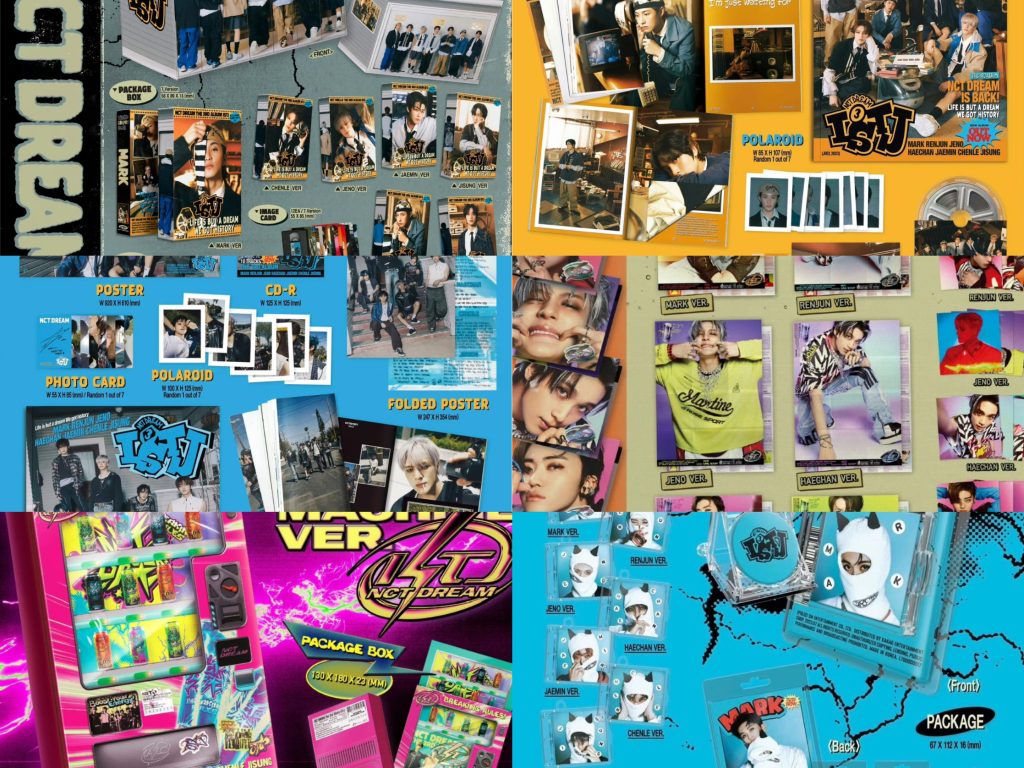
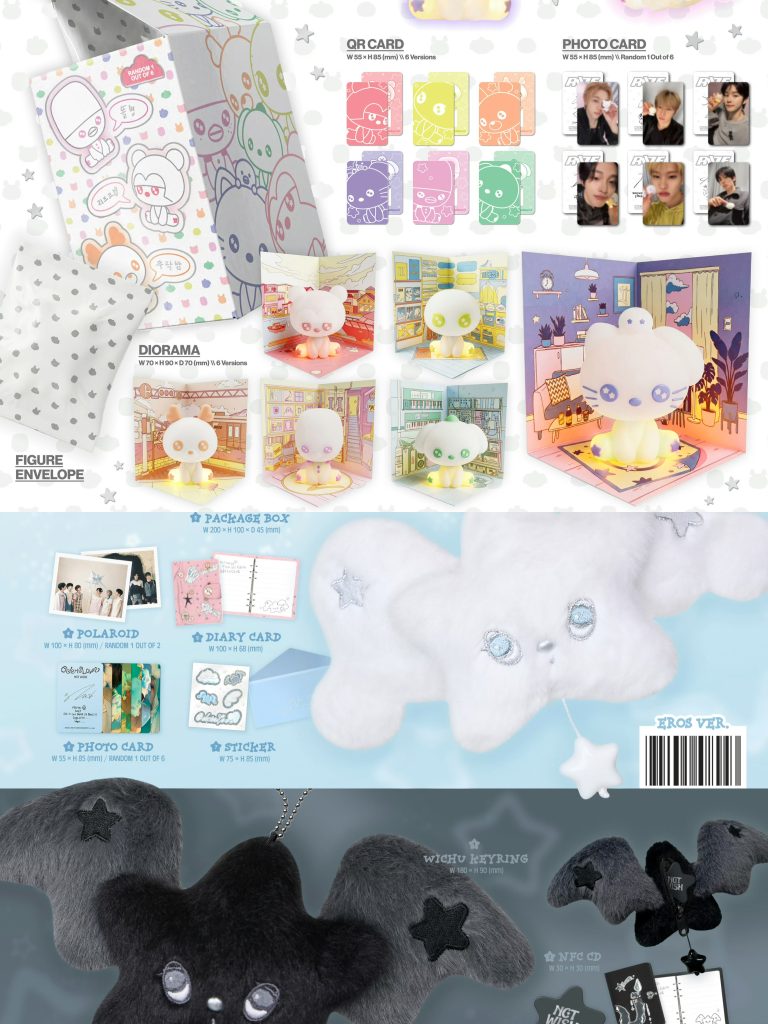
For example, NCT DREAM’s album ISTJ sold approximately 4.6 million copies worldwide in 2023 (McIntyre, 2024). Nowadays, many K-pop groups also release albums in creative forms, such as mystery boxes or dolls (figure 2). Although the music is often the same, the different designs make the albums more attractive to fans. Some fans may buy several versions to collect their favorite designs or members. This reflects pseudo-individualisation because similar music products are presented as unique and special items.
However, this business model also creates problems. Reuters (2024) reported concerns about plastic waste caused by excessive K-pop album production. When fans buy many copies, some albums may be left unused or thrown away.
In my opinion, the culture industry theory is useful for understanding K-pop marketing. Random photocards can make fans spend more money than they originally planned. Companies benefit from fans’ emotional relationships with idols.
However, I do not think all fans are influenced by entertainment companies. Some fans really enjoy collecting photocards, trading them with friends and supporting their favourite idols. These activities can make fans happy and help them feel connected to others.
Overall, K-pop shows how music can become a way for companies to make money. The culture industry theory helps us understand this, but it cannot fully explain why fans enjoy collecting albums. K-pop is both a form of entertainment and a business.
References:
Choi, W. (2025) The environmental impact of album multiple-purchase marketing strategies in the K-POP industry and structural innovation strategies. SSRN. Available at: https://doi.org/10.2139/ssrn.5291937
Horkheimer, M. and Adorno, T.W. (2002) Dialectic of Enlightenment: Philosophical Fragments. Stanford: Stanford University Press.
McIntyre, H. (2024) ‘K-Pop’s global impact: 19 of the 20 bestselling albums in 2023 are from South Korea’, Forbes, 27 March. Available at: https://www.forbes.com/sites/hughmcintyre/2024/03/27/k-pops-global-impact-19-of-the-20-bestselling-albums-in-2023-are-from-south-korea/
Park, M. and Kim, D. (2024) ‘K-pop’s profligate CD output draws fire as South Korea hosts plastic waste talks’, Reuters, 21 November. Available at: https://www.reuters.com/sustainability/k-pops-profligate-cd-output-draws-fire-south-korea-hosts-plastic-waste-talks-2024-11-21/


