
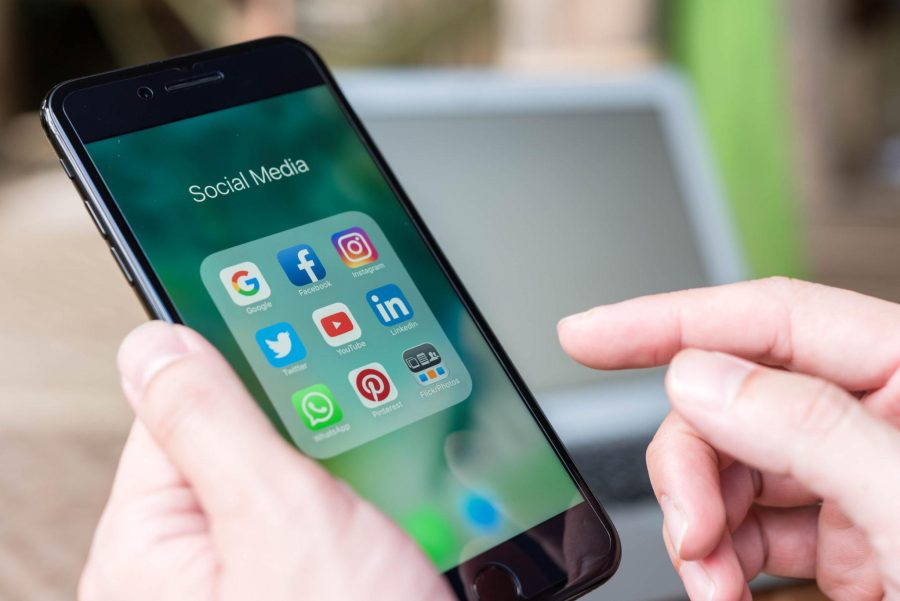
Nowadays, people are using social media to construct their digital identities. Instagram and TikTok allow users to communicate ideas, express opinions, and showcase lifestyles. However, this brings up an issue of whether users present their authentic selves online or merely an ideal self primarily to secure audience approval.
This can be explained by Goffman’s theory of self-presentation. In “The Presentation of Self in Everyday Life”, Goffman (1959) describes social interaction as a form of theatrical performance. Individuals manage the impressions they create depending on their audience. For example, users may selectively post enjoyable experiences to present a positive image, while hiding private struggles and difficulties. This reflects the front stage, where individuals show the image they want others to see, while their hidden private experiences represent the backstage. Thus, audiences can only see filtered aspects of an individual’s identity.
Social expectations also affect how people frame their digital identities. Popular trends, standards and lifestyles may affect the choice of content users choose to post. Some users may follow the trends because they want to construct an impression of being fashionable, fit in with social standard and gain social approval, while others enjoy these trends. This shows that the same behaviour can reflect different motivations. Social media allows us to express ourselves freely, but it can also create pressure to gain social approval. This tension brings out a problem: are users expressing their true identities, or changing themselves to gain acceptance from others by following the trend?
Hogan (2010) further develops Goffman’s idea by analysing the difference between performance and exhibition on social media. Unlike face-to-face interaction, social media content relies on digital persistence. It is not only a performance but also an exhibition. All posts are visible and can be viewed repeatedly over time. Therefore, digital identities are not only shaped by the current interactions, but also by the content shared previously. Users then need to continuously maintain and manage their impression online. This raises another question: if users need to maintain an ideal self over a long period, could they lose their true self?
Reflecting on this theory, I understand digital identity is not necessarily mean maintaining a false impression but a selective expression of different roles of our identity. We can choose what to post on social media. Goffman’s theory explains how people manage impressions differently, while Hogan highlights how our online impression can persist over time. This makes me reflect on my own social media use. I have also only shared positive experiences while keeping private or sad moments to myself, as I only prefer disclosing only the brighter side of my life to others. These theories help me understand how audience expectation influence self-expression, although presenting a selective identity does not mean someone is being inauthentic.
In conclusion, digital identities are shaped by both personal interest and social expectations. It is crucial to strike a balance between personal expression and the desire for social acceptance when presenting ourselves online.
Reference
Goffman,E., (1959). The presentation of self in everyday life. Doubleday.
Hogan, B. (2010) ‘The presentation of self in the age of social media: Distinguishing performances and exhibitions online’, Bulletin of Science, Technology & Society, 30(6), pp. 377–386.


Hi, I really enjoyed reading your post. I found the link between social media and digital identity very interesting, especially how people often share the best parts of their lives online. Do you think it’s possible to be completely authentic on social media today?