
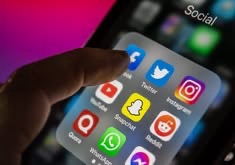
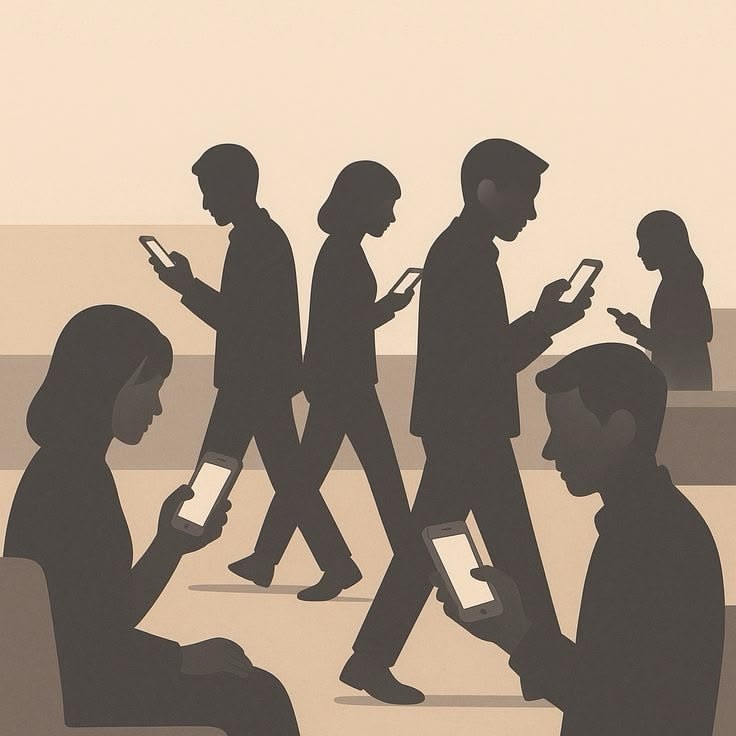
Construction of identity in the digital world, refers to how we as individuals create, develop and present our identities through digital platforms such as social media. These include social media profiles and online personas. In the book ‘Presentation of self in everyday life” (Goffman 1959), he states ‘social interaction is like acting on stage’. This includes how gender and class in performed, and people take on specific context, based on where they are. He says, “ A status, a position, a social place is not a material thing to be possessed and then displayed”. However, in current times, these things are being increasingly shared on social media. Say for example, you have just achieved a promotion at work, you may feel that you want to share this with your followers, because you are proud of your achievement, Goffmann argues that this would not need to be displayed.
The idea of feeling the need to share your achievements on social media can be linked to the term impression management. This is when people try to create an impression of themselves to achieve their goals. It allows individuals to control how they present themselves to others, especially on social media, and how they want to be perceived online. This can include editing and filtering, control over self-presentation, social validation and selective sharing. Social media sites allow you as the user, to make decisions on how you present yourself, and create your own identity. This is through your tastes and interests, who you friend and follow, the social networks you create, what you decide to post and interact with.
In Sabreen Haziq’s (2019) article, she says ‘with a spurt in the use of social media platforms, the lives of more and more people are visible online’. A risk is created because of this, people can feel pressured to create an idealised version of themselves online, rather than presenting their own identity. This can be due to feeling they need to keep up with societal expectations, and runs the risk of taking away individuals authenticity. She also says ‘users have increasingly started to indulge in a culture of looking ‘attractive’ to get more ‘likes’. Getting likes symbolises popularity and desirability’. There is this idea when creating your online social media platform, that your posts should get lots of likes and gain visibility, but that isn’t always the case. This can cause people to feel that they don’t fit into this stereotype, causing implications.
Identity in today’s digital world ultimately depends on how you curate it, with what you post, what you share and what you interact with becoming your identity, online and in the real world.
References
Goffman,E., 1959. The presentation of self in everyday life. NY:Doubleday
Haziq, S., 2019. Putting the best digital self forward in the age of social media. Available: https://www.google.com/goto?url=CAESmgEB6zswFWgfhY-SZCpVQ_pWAeudt0pgClMl60mW14E1A2PyPiTJ5hK_zjdcU4S36vaSLxR_2dabUwak2wJtt5r42IM4u8VX_yNIyT1K-jJRRXfrOTGdVYeF3EwevwOFL_ylAul2uWg6uNrANY56b5OxftluElwrP9MEMwy-6usnP6XZSX_N


Recent Comments