
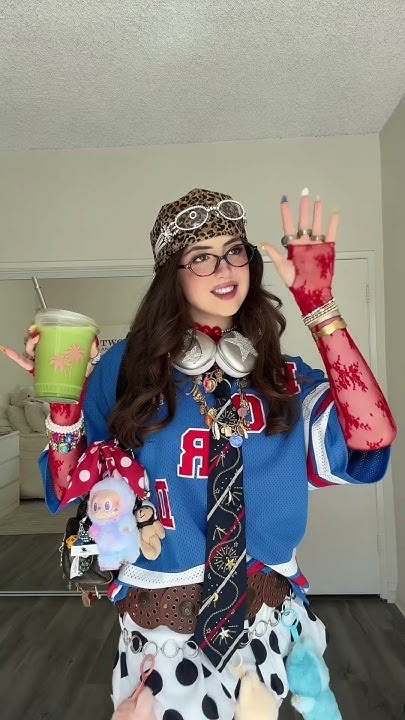
The two-step flow theory was developed by Paul Lazarsfeld and Elihu Katz, who described influence as “stemming from media making contact with opinion leaders who, in turn, pass it on to other people” (Katz, E., Lazarsfeld, P.F. & Roper, E., 1955). This is especially relevant to understanding how influencers shape people’s interests and behaviours online, specifically ‘microtrends,’ as influencers on platforms like TikTok and Instagram play a major role in introducing new fashion styles, beauty products, and aesthetics to their audiences.

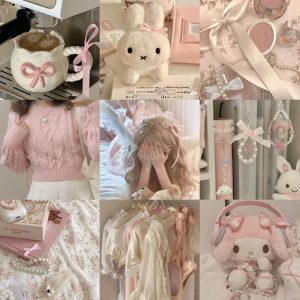
The term ‘microtrends’ was coined by Mark J. Penn in his book, in which he describes them as small, distinct groups of people whose habits and choices trigger massive shifts in politics, culture, and business. Examples of this include the coquette, clean girl, and mob wife aesthetics, which were popularised on social media. These trends often begin when influencers (opinion leaders) introduce a particular style or product through their content. Their followers then recreate these looks, purchase similar products, and share them online.
Social media, especially TikTok, plays a particularly important role in accelerating this process because of how its algorithm and ‘For You Page’ operate. The platform recommends content based on user interests and online interactions, meaning if a user engages with a particular trend, their exposure to said trend will increase. This creates a cycle in which trends quickly gain visibility as influencers and users continue posting about them; the rapid cycle of discovering, participating in, and moving on from trends results in microtrends often having short lifespans because audiences are constantly being introduced to something new and previous trends are forgotten.
Social pressure is another important factor in the popularity of microtrends. Lazarsfeld expresses the “importance of social pressure in motivating people to expose themselves and to be receptive to the influence of communication” (Katz, E., Lazarsfeld, P.F. & Roper, E., 1955). He highlights how people can become more open to outside influences due to a desire to fit in and feel accepted. TikTok shows this by how users are constantly exposed to people participating in the same trends. As a result, individuals may feel pressured to follow particular aesthetics or purchase products to avoid feeling left out. This suggests that there has been a rise in people’s desire to feel included in a wider community rather than genuine interest.
Furthermore, the cycle of microtrends encourages overconsumption due to the pressure to keep up with the latest trends; Lazarsfeld emphasises that we are becoming a more advertisement-centred society. This is particularly relevant on social media, where influencers regularly promote products; for example, the mob wife aesthetic might prompt an individual to make large clothing purchases to better fit that aesthetic, only to later replace them with clothing aligned with a different popular aesthetic. TikTok aesthetics encourage unnecessary spending and contribute to environmental issues. Overall, this demonstrates how the popularity of microtrends can encourage overconsumption, highlighting the wider social and environmental consequences of social media influence.
References:
- Peters, J.D. & Simson, P. (2004) Mass Communications and American Social Thought: Key Text, Page 170
- Katz, E., Lazarsfeld, P.F. & Roper, E. (2017) Personal Influence: The Part Played by People in the Flow of Mass Communications, pg. 1-10
- Penn, M.J. & Zalesne, E.K. (2007). Microtrends: The small forces behind tomorrow’s big changes


Hey This was a really interesting! I liked how you linked the two-step flow theory to microtrends on social media, as it made the theory feel more relevant to everyday life. It definitely made me reflect on how much influencers shape trends and consumer behaviour online