
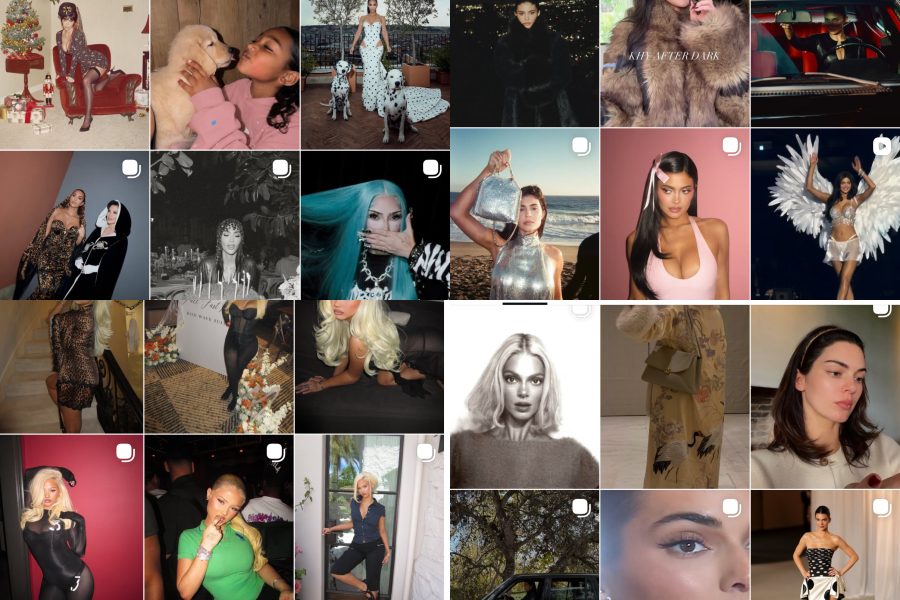
Social media is a part of our daily lives now — people share photos and videos on Instagram and TikTok, beauty filters are becoming popular too (filters make our skin look smoother, eyes bigger, faces slimmer). But beauty filters aren’t just tools to make photos look pretty — they also determine how we perceive ourselves and how others want us to perceive us. I think beauty filters shape who we are online.
People on social media want to present their best selves. Before posting a photo they may use beauty filters to look more attractive (so they can control what impression they make on others online).
Goffman (1959) said people present themselves differently depending on the social context. This is true also for how people construct identities on social media: someone might use beauty filters on Instagram to project a more confident and charming image.
But the image people present online may not be the one they actually have. If people use filters frequently, retouched photos may be more satisfying than their natural appearance. This shows how social media affects people’s understanding and presentation of their identity.
Another question is how beauty filters affect people’s perception of beauty. On Instagram and TikTok we see photos with smooth skin, flawless makeup and attractive faces — but many of those images have been retouched or filtered.
Festinger (1954) developed the ‘Social Comparison Theory’ which states that people tend to understand and evaluate themselves by comparing themselves with others. This theory explains how photo editing on social media affects peoples’ self-confidence.
For example, when people see their natural appearance next to filtered photos online they may feel unattractive or lack self-confidence. Over time this can change their perception of themselves and beauty.
Beauty filters are fun and creative but they can also lead to unrealistic aesthetic standards. People start thinking that if you make yourself look flawless you’re only worthy of sharing photos online.
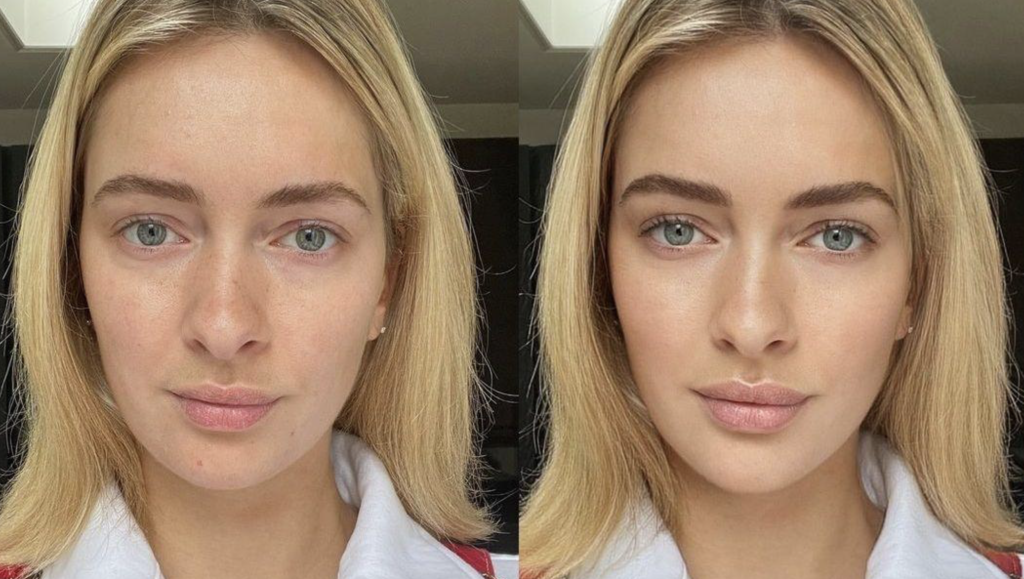
In general I think beauty filters have both positive and negative effects on our online identities: they allow people to express themselves, give them self-confidence and choose for themselves what image they present on social media but overuse of filters may also change people’s perception of their natural appearance.
Social media allows us to create different versions of ourselves but I think it’s important to remember that the images we see online are not always reality. We should be able to have fun with beauty filters but not feel like we have to use them to look beautiful.
Refrence:
Ballion, Jeanne. “Filtres : Voici Pourquoi Ils Cultivent Nos Complexes, Et Nuisent À Notre Santé Mentale.” Vogue France, 24 Mar. 2023, www.vogue.fr/article/filtres-reseaux-sociaux-consequences-sante-mentale. Accessed 1 Nov. 2026.
Festinger, Leon. “A Theory of Social Comparison Processes.” Human Relations, vol. 7, no. 2, May 1954, pp. 117–140, journals.sagepub.com/doi/10.1177/001872675400700202, 10.1177/001872675400700202. Accessed 1 Nov. 2026.
Goffman, Erving. The Presentation of Self in Everyday Life. New York, Doubleday Anchor Books, 1959.


